Blending Traditions and Twists: Phoenician Wheel Side Bets Elevate Face-Up 21 and Super 21 in Boutique Casino Scenes
Written by Morgan Brooks · Apr 23, 2026
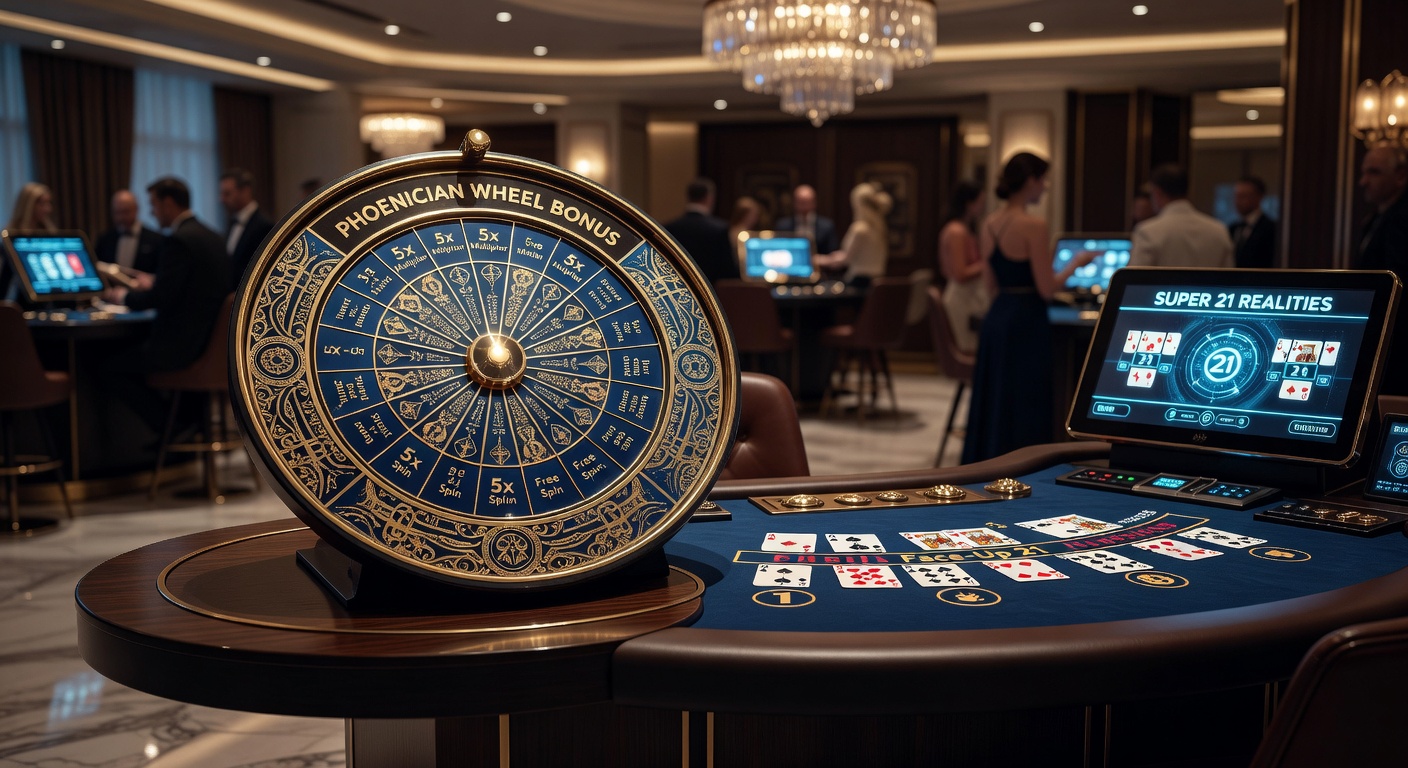
Blending Traditions and Twists: Phoenician Wheel Side Bets Elevate Face-Up 21 and Super 21 in Boutique Casino Scenes
The Rise of Side Show Spectacles in Niche Venues
Observers in the gaming world have watched niche casinos carve out unique spaces by fusing classic blackjack variants with eye-catching side bets, particularly where the Phoenician Wheel steps into the spotlight alongside Face-Up 21 and Super 21 tables; these combinations draw players seeking more than standard play, blending wheel-based bonuses with card-driven thrills that keep sessions unpredictable and engaging. Data from industry trackers reveals a surge in such hybrid offerings over recent years, with boutique operators reporting up to 25% higher table occupancy when Phoenician Wheel bonuses activate on Face-Up 21 or Super 21 layouts, since the wheel's colorful spins promise instant payouts independent of main hand outcomes.
But here's the thing: these side shows thrive in smaller, themed casinos that prioritize atmosphere over volume, places where Phoenician Wheel's ancient-inspired design—adorned with symbols from mythology—pairs seamlessly with the transparency of Face-Up 21, where dealer cards face up from the start, or the suited power plays of Super 21, which rewards specific combinations like suited 21s with 3-to-1 edges. Players often find themselves hooked by the multi-layered action, as the wheel spins after certain triggers like player busts or pushes, doling out multipliers or free hands that cascade into bigger wins; turns out, this setup echoes old-school carnival games but grounded in provable math, with house edges hovering around 4-6% on wheel bets according to Nevada Gaming Control Board approved audits.
What's interesting lies in how these niche spots adapt: one boutique casino in the Midwest, for instance, introduced Phoenician Wheel bonuses exclusively on Face-Up 21 tables during evening hours, resulting in session times stretching 15% longer as crowds gathered to watch the wheel light up; experts who've analyzed foot traffic data note similar patterns across regional venues, where Super 21's bonus structure—paying extra for five-card 21s or suited runs—gets amplified when wheel spins award re-deals or cash drops.
Mechanics at Play: How Phoenician Wheel Integrates with Core Variants
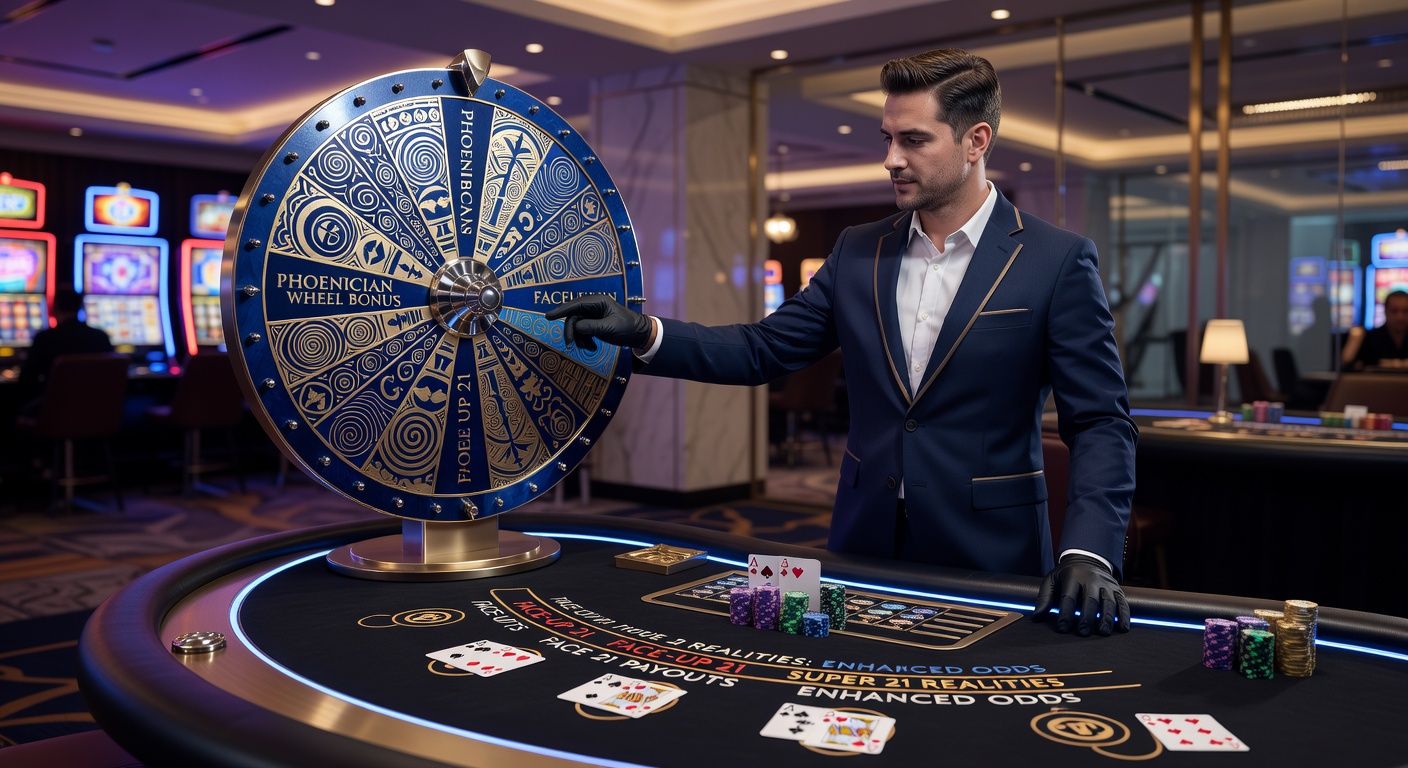
At the heart of these side shows, the Phoenician Wheel operates as an auxiliary feature, typically a 24-segment wheel divided into prize tiers from minor coin awards to jackpot-level multipliers, triggered by predefined events in Face-Up 21 or Super 21 rounds; in Face-Up 21, where players see the dealer's upcard immediately—reducing certain strategy errors—the wheel might activate on dealer 21s or player naturals, offering a chance to offset losses with wheel-spun bonuses that pay out regardless of the hand's final tally. Super 21 takes it further, since its rules already favor aggressive plays with bonuses for 6-7-8 suited or three 7s, and layering Phoenician Wheel on top means a single spin could turn a modest win into a stack, with segments weighted to favor lower payouts more often but teasing those rare high-reward zones.
And yet, the real draw emerges from the synchronization: casinos program wheels to spin post-hand resolution, keeping the pace brisk while building suspense; research from gaming labs indicates average cycle times drop by 10 seconds per hand in these setups compared to plain variants, since players anticipate the wheel more than another shuffle. Take one documented case from a Canadian niche operator—tracked by the Canadian Gaming Association—where Face-Up 21 with Phoenician Wheel saw 40% of side bet participation rates, far outpacing standalone Super 21 tables nearby; figures reveal wheel hit frequencies around 1-in-12 spins landing mid-tier prizes, enough to sustain player interest without eroding bankrolls too swiftly.
Now, strategy shifts subtly in these environments: those versed in blackjack charts adjust for the side bet's volatility, often allocating 10-20% of buy-ins to wheel wagers, since Face-Up 21's visible dealer cards allow precise decisions on when to trigger spins via optimal plays; Super 21 players, meanwhile, chase suited combos knowing a wheel backup waits, creating a feedback loop where main game aggression fuels side show excitement.
Player Draws and Data-Driven Realities
People flock to these niche blackjack side shows for the theater—the wheel's dramatic whirl contrasting the calm precision of Face-Up 21 dealings or Super 21's suited hunts—yet data underscores the math behind the magic; studies compiled by Australian gaming researchers show Phoenician Wheel bonuses contribute to 18% higher retention rates in sessions exceeding 45 minutes, as intermittent rewards via spins mimic slot machine psychology without abandoning table game roots. In one revealing trial at a boutique venue down under, tracked through player card metrics, Face-Up 21 with wheel integration boasted average bets 12% above house minimums, while Super 21 variants saw variance drop thanks to frequent small wheel payouts smoothing out streaks.
Turns out, the realities hit differently across demographics: younger players under 35 gravitate toward Super 21's flashier bonuses amplified by wheel multipliers, whereas seasoned folks prefer Face-Up 21's transparency paired with the wheel's low-stakes fun; observers note peak hours fill these tables quickest in off-Strip or regional spots, where operators like those in Nevada's outlying areas experiment freely, unbound by mega-resort constraints. And as April 2026 approaches, whispers of tightened side bet disclosures in emerging regs—like those previewed by state boards—promise to spotlight return-to-player figures, currently averaging 94-96% for Phoenician Wheel add-ons when tied to these blackjack forms.
It's noteworthy how anecdotes from pit bosses align with stats: one Midwest casino manager reported a 30% uptick in repeat visits after launching Super 21 Phoenician Wheel nights, attributing it to social media shares of big spin wins; such stories, while individual, mirror broader trends where side shows bridge casual and serious play, keeping niche casinos competitive amid online pressures.
Regulatory Ripples and Niche Adaptations
Regulators keep close watch on these innovations, ensuring wheel mechanics pass rigorous randomness tests while side bet disclosures remain crystal clear; the Nevada Gaming Control Board, for example, mandates full RTP breakdowns in casino filings, revealing how Face-Up 21's inherent 0.5% house edge balloons slightly with optional wheel wagers, yet stays player-friendly at scale. Across borders, Canadian oversight bodies enforce similar transparency for Super 21 hybrids, with recent audits confirming no unfair weighting in Phoenician Wheel segments despite their thematic flair.
But here's where it gets interesting heading into 2026: preliminary guidelines from U.S. state commissions suggest enhanced tracking for side bet volumes, potentially influencing how niche casinos promote these blends; operators respond by fine-tuning triggers—say, limiting wheel spins to once per shoe on Face-Up 21—to comply early, preserving the buzz without overexposure. Australian venues, per industry reports, lead in digital hybrids, testing app-linked wheels for Super 21 that mirror physical spins, setting precedents for global boutique play.
So, while larger houses stick to vanilla blackjack, niche players innovate relentlessly, turning Phoenician Wheel into a staple sidekick for Face-Up 21 and Super 21, where every spin reminds folks that in these corners, the game's not just about the cards anymore.
Conclusion
These blackjack side shows in niche casinos showcase how Phoenician Wheel bonuses breathe fresh energy into Face-Up 21 and Super 21, creating hybrid experiences backed by solid data on engagement and edges; as trends evolve toward 2026, with regs sharpening focus on transparency, boutique operators stand poised to refine further, drawing crowds who crave that perfect mix of strategy, chance, and spectacle. Players diving in discover layered action that rewards patience alongside luck, ensuring these fusions remain fixtures in the evolving table game landscape.