Boutique Casino Approaches to Incorporating Face-Up 21 and Pontoon in Promotional Structures
Written by Theo Griffin · Aug 25, 2026
Boutique Casino Approaches to Incorporating Face-Up 21 and Pontoon in Promotional Structures
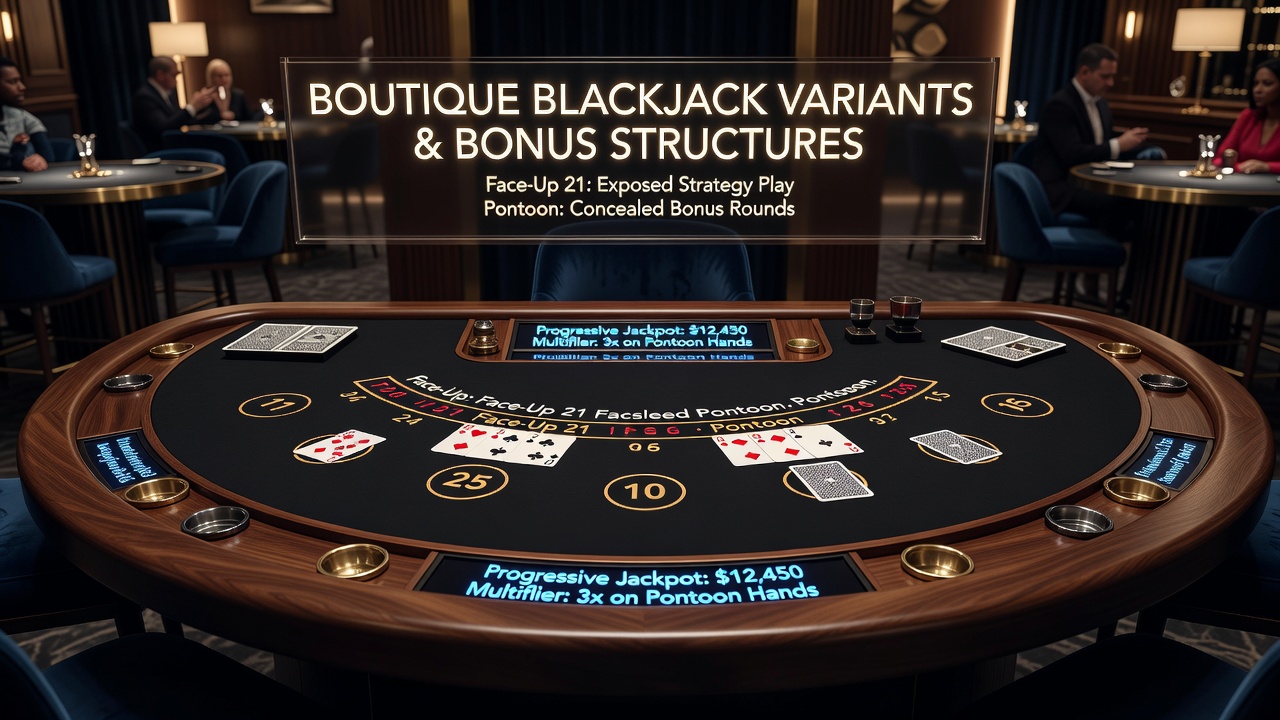
Boutique venues often tailor their bonus systems around specialized blackjack variants such as Face-Up 21 and Pontoon because these games feature distinct rule sets that influence player behavior and wagering patterns, data from regulatory filings indicates. Operators in these settings design promotions that tie bonus funds or free play credits directly to participation in these variants, creating frameworks where players must meet specific playthrough requirements before withdrawing winnings.
Core Elements of Variant-Specific Bonuses
Face-Up 21 typically involves all player cards dealt face up with no option for doubling after splitting in many implementations, while Pontoon uses unique terminology like "buying" cards and pays 2-to-1 on certain hands, according to industry analyses. Boutique operators integrate these distinctions into bonus terms by adjusting contribution percentages, meaning bets on Pontoon might count 100 percent toward wagering requirements whereas standard blackjack contributes only 70 percent in the same promotion.
Operators structure these bonuses with tiered rewards that escalate based on volume played in the variant, and they often cap maximum bets during bonus rounds to manage risk exposure. Research from gaming oversight bodies shows that such structures help venues maintain house edges while attracting players who prefer the transparency of face-up dealing or the strategic depth of Pontoon rules.
Regulatory Influences on Bonus Design in 2026
By August 2026 several jurisdictions had updated guidelines around bonus transparency, requiring clear disclosure of how variant-specific games factor into rollover calculations. Boutique venues responded by publishing detailed tables that list each game's contribution rate alongside minimum deposit thresholds for unlocking the bonus, and they incorporated time limits that align with peak playing periods for these variants.
Those adjustments reflect broader patterns where smaller casinos use data on player retention to refine offers, ensuring that bonuses encourage extended sessions on Face-Up 21 tables without inflating liability from high-variance Pontoon outcomes. Figures from state gaming reports reveal that venues adopting these layered frameworks saw measurable increases in average session length compared with flat-rate promotions.
Player Journey Through Bonus Frameworks
Players typically start by claiming a welcome package that specifies eligible variants, then they navigate playthrough obligations by focusing bets on Face-Up 21 during early stages because its ruleset often yields steadier hand frequencies. As requirements near completion, many shift toward Pontoon hands that carry higher payout potential, and the bonus structure accounts for this progression by applying different multipliers or cashback tiers at each milestone.
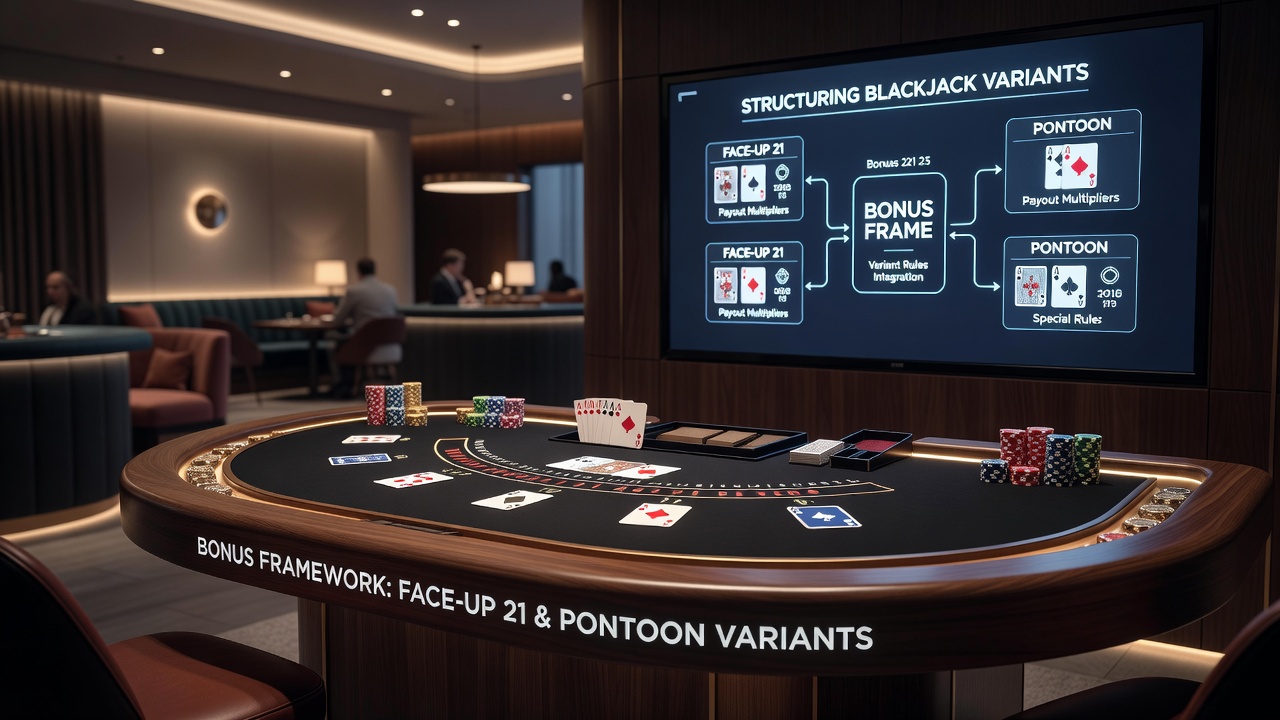
Venues frequently embed loyalty points accrual that accelerates when players engage both variants within the same bonus cycle, creating incentives for cross-game exploration. Observers note that this approach reduces concentration on any single title and helps distribute table traffic across multiple offerings in compact casino floors.
Comparative Structures Across Regions
North American boutique properties tend to emphasize deposit-match bonuses with strict variant eligibility lists, whereas Australian operators incorporate free spin equivalents tied to Pontoon play that convert into bonus credits once certain hand totals are achieved. A report from the New Jersey Division of Gaming Enforcement highlights how these regional differences stem from varying tax treatments on promotional play, which in turn shapes how venues allocate bonus pools between Face-Up 21 and Pontoon.
European boutique casinos sometimes layer in tournament entries as bonus rewards, where participants compete using Face-Up 21 rulesets and earn additional credits based on final standings. Data indicates that such hybrid models increase engagement metrics while keeping overall bonus costs predictable through capped prize structures.
Conclusion
Boutique venues continue refining these bonus frameworks by analyzing hand outcome distributions unique to each variant and adjusting terms accordingly, which sustains player interest across Face-Up 21 and Pontoon without compromising operational margins. As regulatory environments evolve, the emphasis remains on transparent contribution rates and milestone-based rewards that align player incentives with game-specific mechanics.