California Cardrooms Encounter New Oversight on Dealer Roles and Game Formats
Written by Taylor Long · Jun 7, 2026

California Cardrooms Encounter New Oversight on Dealer Roles and Game Formats
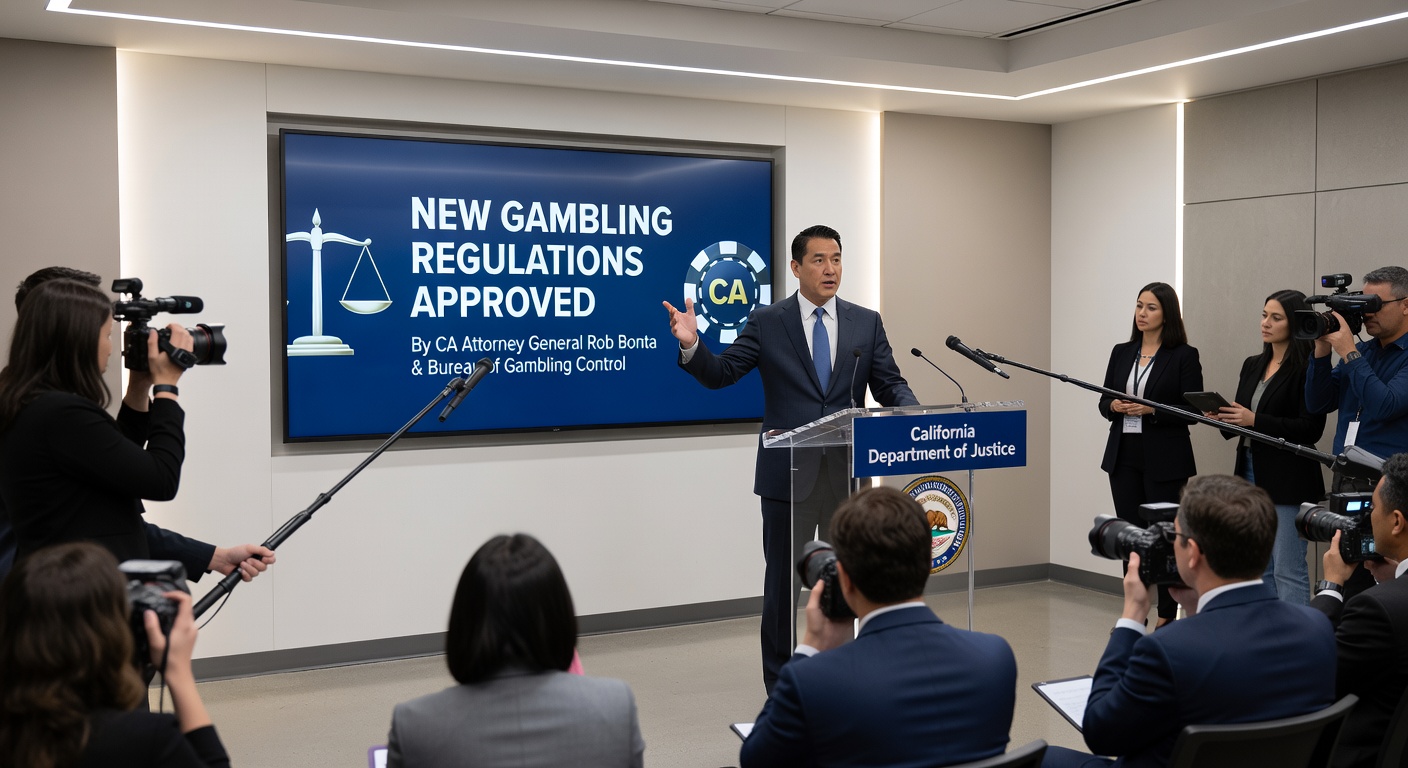
California approved fresh regulations back in February 2026 that target the player-dealer position along with blackjack-style offerings inside cardrooms, and those measures were scheduled to begin on April 1, 2026; the changes impose tighter limits that can restrict or halt several longstanding game formats at non-tribal locations. Observers note that these rules emerged from efforts to clarify how dealers rotate and how certain card games operate under state oversight, while cardroom operators argued the adjustments would reshape daily operations across multiple venues.
Details Behind the February 2026 Rulemaking
The regulatory package focuses on rotation requirements for the player-dealer spot and defines which blackjack-style variants remain permissible, and according to the official regulations the language sets stricter boundaries around continuous shuffling machines and side bets that had previously appeared in many cardrooms. State officials crafted the provisions after reviewing existing practices, and the final text emphasizes compliance checks that begin once the April start date arrives. Cardroom representatives responded by highlighting how these shifts affect staffing patterns and table layouts, while data from industry filings showed dozens of locations would need to adjust game menus to stay within the new parameters.
Court Action on May 21, 2026
On May 21, 2026 the San Francisco Superior Court granted a 45-day preliminary injunction that pauses enforcement of the regulations, and the order came after the California Gaming Association filed suit claiming procedural and substantive concerns with the rulemaking process. Judges reviewed arguments from both sides during hearings, and the temporary halt allows cardrooms to continue current game offerings while litigation proceeds. Legal filings indicate the association raised questions about notice requirements and economic impact assessments, whereas state attorneys defended the rules as necessary clarifications of existing law. The injunction covers enforcement activities through early July, creating a window during which operators can maintain operations without immediate changes.
Impact on Non-Tribal Cardrooms
Non-tribal cardrooms across California operate under a distinct framework from tribal casinos, and the February regulations would have narrowed the range of blackjack-style games those cardrooms could offer after April 1. Facilities in cities such as San Francisco, Los Angeles, and San Diego prepared contingency plans that included removing certain variants and retraining staff on rotation protocols, yet the May injunction suspended those preparations for the 45-day period. Figures from state licensing records reveal more than 60 cardrooms hold active permits, and many rely on the affected game types for a significant portion of table revenue. Industry reports compiled before the injunction noted that operators had begun inventorying equipment and revising floor plans in anticipation of the April deadline.
Developments Entering June 2026
As June 2026 begins the preliminary injunction remains active, and cardroom staff continue to run games under pre-April conditions while attorneys prepare for further hearings. State regulators have paused compliance inspections tied to the new rules, and gaming associations monitor court calendars for updates on the underlying lawsuit. Observers point out that any extension of the injunction or ruling on the merits could determine whether the February regulations take hold later in the summer or require revisions. Cardroom patrons meanwhile experience no immediate alterations to available tables, although some venues post notices explaining the ongoing legal process. Data from player tracking systems show steady foot traffic during the first weeks of the injunction period, suggesting the temporary reprieve supports normal business rhythms.
Background on Player-Dealer Rotation and Game Variants
California cardrooms have long used a player-dealer rotation model that differs from house-banked formats found elsewhere, and the 2026 regulations sought to standardize how that rotation occurs during blackjack-style rounds. The rules also addressed specific game elements such as bonus payouts and continuous shuffle procedures that had evolved over years of operation. Historical records indicate these practices developed within the constraints of Proposition 1A and subsequent court interpretations, which separate tribal and non-tribal gaming authority. When the February rules were adopted, state documents outlined a timeline that gave operators roughly two months to prepare, yet the May court order altered that schedule. Legal analysts note the case centers on whether the regulatory body followed proper administrative procedures during the comment period and economic review phases.
Conclusion
The sequence of events from February approval through the May injunction illustrates how regulatory changes and litigation intersect in California's gaming sector, and the situation as of June 2026 continues to evolve under judicial oversight. Cardrooms maintain existing game lineups during the injunction window, while state agencies and industry groups await further court guidance on the February regulations. The single news thread remains focused on these dates, filings, and operational pauses without reference to unrelated developments.