California Cardrooms Face Blackjack Ban Under New 2026 Regulations as Industry Fights Back
Written by Taylor Schmidt · Apr 16, 2026

California Cardrooms Face Blackjack Ban Under New 2026 Regulations as Industry Fights Back
The Rollout of Strict New Rules in California's Gambling Landscape
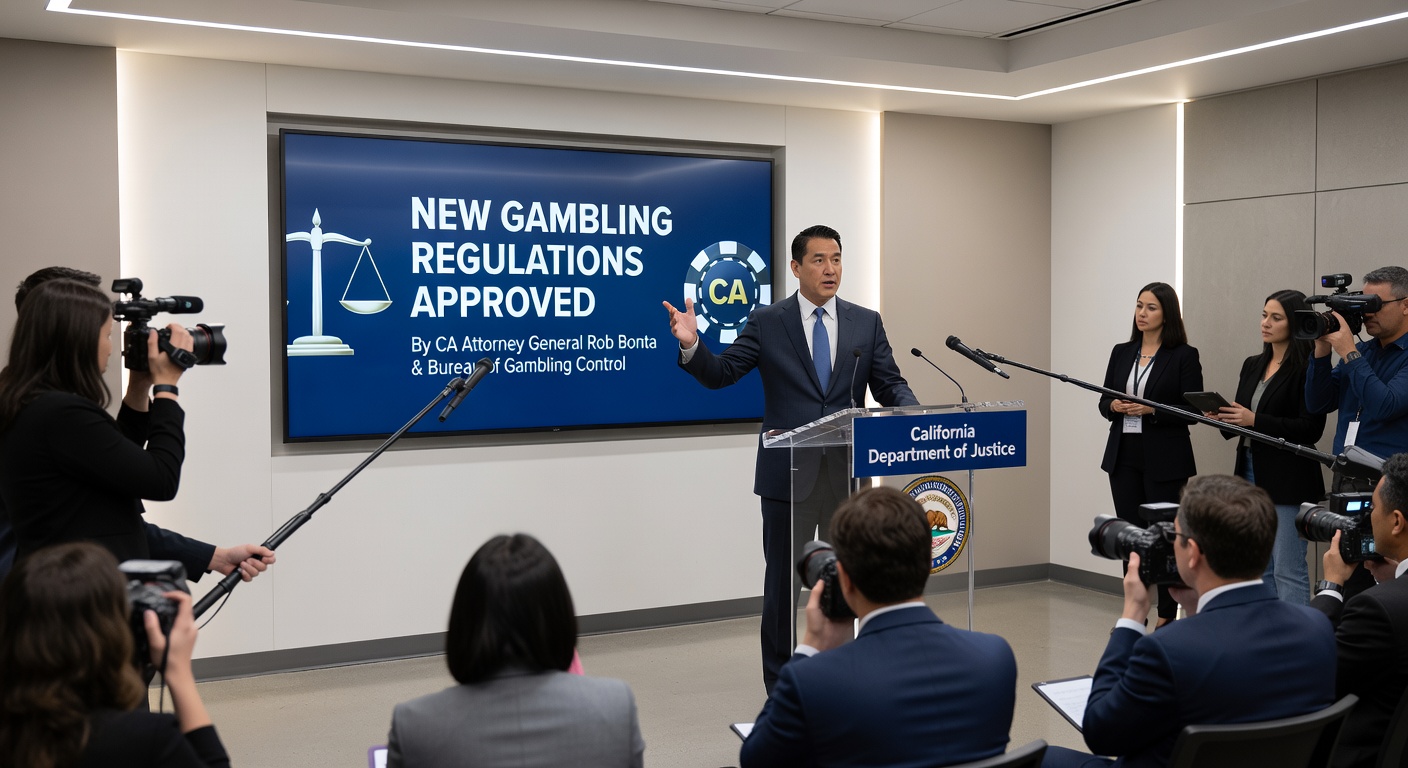
California Attorney General Rob Bonta and the Bureau of Gambling Control greenlit a set of regulations that kicked in on April 1, 2026, targeting cardrooms' use of third-party player-dealers (TPPPs) in blackjack-style games; these rules effectively ban such games while mandating player-dealer rotation every 40 minutes, and cardrooms now face a June 1, 2026, deadline to submit detailed compliance plans. According to reports from GamblingNews, the changes stem from long-standing tensions between non-tribal cardrooms and tribal casinos, with the state aiming to tighten controls on games resembling those found in tribal operations.
Cardrooms, which operate across the state without house-banked games like traditional casino blackjack, have relied on TPPPs—players who act as dealers in exchange for a share of the rake—for years; but now, those setups for blackjack-type games are off the table, forcing operators to rethink their floors amid player rotations that limit any single participant's time in the dealer spot. Observers note how this shift disrupts a core revenue stream, since TPPPs have been central to cardroom blackjack variants that draw crowds without violating California's prohibition on house-banked table games.
What's interesting is the precision of the rotation rule—every 40 minutes means constant shuffling of roles, which experts say could slow down games and frustrate regulars who enjoy the familiarity of steady player-dealers. Data from the California Department of Justice's gambling regulations page outlines these specifics under Cal. Code Regs., tit. 11, § 2075, making it clear that enforcement ramps up immediately, with non-compliance risking fines or license issues.
Driving Forces: Curbing Problem Gambling and Safeguarding Tribal Interests
The regulations target problem gambling by reducing the appeal and speed of TPPPs in blackjack-style games, where data indicates higher engagement times lead to riskier play; at the same time, they protect tribal exclusivity, since tribes hold a monopoly on house-banked blackjack under state compacts, and cardrooms' player-banked versions have long blurred those lines. Researchers who've studied California's gambling ecosystem point out that TPPPs allow cardrooms to mimic casino experiences, drawing players away from tribal venues and sparking disputes that date back years.
Take one case where tribal leaders argued that player-dealer blackjack erodes their market share—figures reveal cardrooms generated over $1 billion in annual revenue pre-regulations, much from these games, while tribes pushed for parity; the state, balancing these pressures, landed on bans and rotations as a compromise that doesn't fully eliminate cardroom banking but clips its wings. And yet, the timing feels pointed, arriving as cardrooms expand and online gambling debates heat up elsewhere.
Studies found that frequent dealer changes could cut session lengths, with one analysis showing rotations every 30-45 minutes drop overall rake by up to 15% in similar setups; that's where the rubber meets the road for problem gambling prevention, although critics question if it truly addresses root causes like easy access.
Industry Pushback: Injunction Sought Amid Warnings of Economic Fallout
California's cardroom operators didn't sit idle; they filed for a court injunction almost immediately, arguing the rules threaten thousands of jobs, slash tax revenues, and hammer local economies dependent on these venues. Reports highlight how the industry employs over 20,000 people statewide, with blackjack tables fueling a chunk of that—lose those games, and communities from Bay Area hubs to Southern California spots feel the pinch, since cardrooms pump millions into local taxes annually.
But here's the thing: leaders like the California Gaming Association warn of closures if injunctions fail, pointing to data where similar past restrictions cut venue attendance by 25%; players who've stuck with cardrooms for lower house edges via player-banking now face disrupted games, potentially migrating to tribal casinos or online options. One operator shared how rotations alone could spike labor costs, as training more players for dealer roles eats time and money, while the outright ban on TPPPs in blackjack variants leaves empty tables.
So, court battles loom large, with hearings expected soon after the April 1 effective date; experts observe that injunction success hinges on proving the regs exceed state authority, especially since cardrooms operate under voter-approved propositions allowing player-banked games. Turns out, the writing's on the wall for quick resolutions—legal timelines stretch, meaning cardrooms scramble for compliance plans by June 1 even as they fight.
Timeline Breakdown and Compliance Hurdles Ahead
April 1, 2026, marked the starting gun—regulations live, bans enforce, rotations mandatory; by June 1, every cardroom submits plans detailing how they'll pivot, whether to non-blackjack games or revamped TPPPs elsewhere. Those plans undergo Bureau review, with approvals tying to demonstrated adherence; non-submitters risk shutdowns, although extensions might surface amid injunction talks.
People in the industry often find the dual deadlines brutal—one for immediate ops changes, another for paperwork—yet operators adapt fast, pulling blackjack tables and promoting alternatives like poker, which TPPPs don't touch. And while rotations apply broadly, the blackjack ban zeros in on "house-banked" mimics, leaving gray areas that lawyers dissect daily.
Now, as summer 2026 approaches, eyes stay glued to courts; if injunctions hold, regs pause, buying time; otherwise, cardrooms reshape floors permanently, with ripple effects on player habits and venue viability.
Impacts on Players, Venues, and the State's Gambling Map
Regulars at places like Commerce Casino or Gardens Casino discover fewer blackjack options, pushing them toward Texas Hold'em or pai gow, where TPPPs thrive sans restrictions; data shows player migration could boost tribal revenues by 10-15%, aligning with the regs' protective bent, although cardroom loyalists grumble about diluted experiences. It's noteworthy that online blackjack, legal in spots via sweeps sites, gains traction as a workaround, with traffic spikes noted post-April 1.
Economically, figures reveal potential $100 million+ annual hits to cardroom taxes, straining local budgets that rely on gaming dollars for schools and services; jobs hang in balance too, as dealers and floor staff pivot or seek tribal gigs, where house-banked blackjack demands different skills. Observers note how this reshuffles California's gambling power—tribes strengthen holds, cardrooms innovate or shrink, and regulators enforce amid lawsuits.
One study revealed that states with strict player-banking rules see 20% fewer gambling-related bankruptcies, bolstering the anti-problem-gambling case, yet cardroom data counters with claims of responsible play via community oversight; that's the tension fueling debates.
Looking Ahead: What Happens Next in This Regulatory Showdown
The injunction fight defines near-term paths—win it, and blackjack lingers; lose, and cardrooms evolve, submitting plans that reshape floors by mid-2026. Broader ripples touch policy, as other states watch California's model for balancing tribal pacts with private gaming; players adapt, venues hustle, and the Bureau oversees it all, ensuring rotations and bans stick where required.
Ultimately, this saga underscores gambling's tightrope—innovation versus safeguards, revenue versus risks—with April's changes setting stages for years of adjustments. As courts deliberate, stakeholders hold breath, knowing the ball's in their court to navigate or challenge the new normal.