Decoding Hybrid Mechanics: How Wheel Features and Upright Formats Interact in Niche Digital Gaming Hubs
Written by Taylor Long · Aug 20, 2026
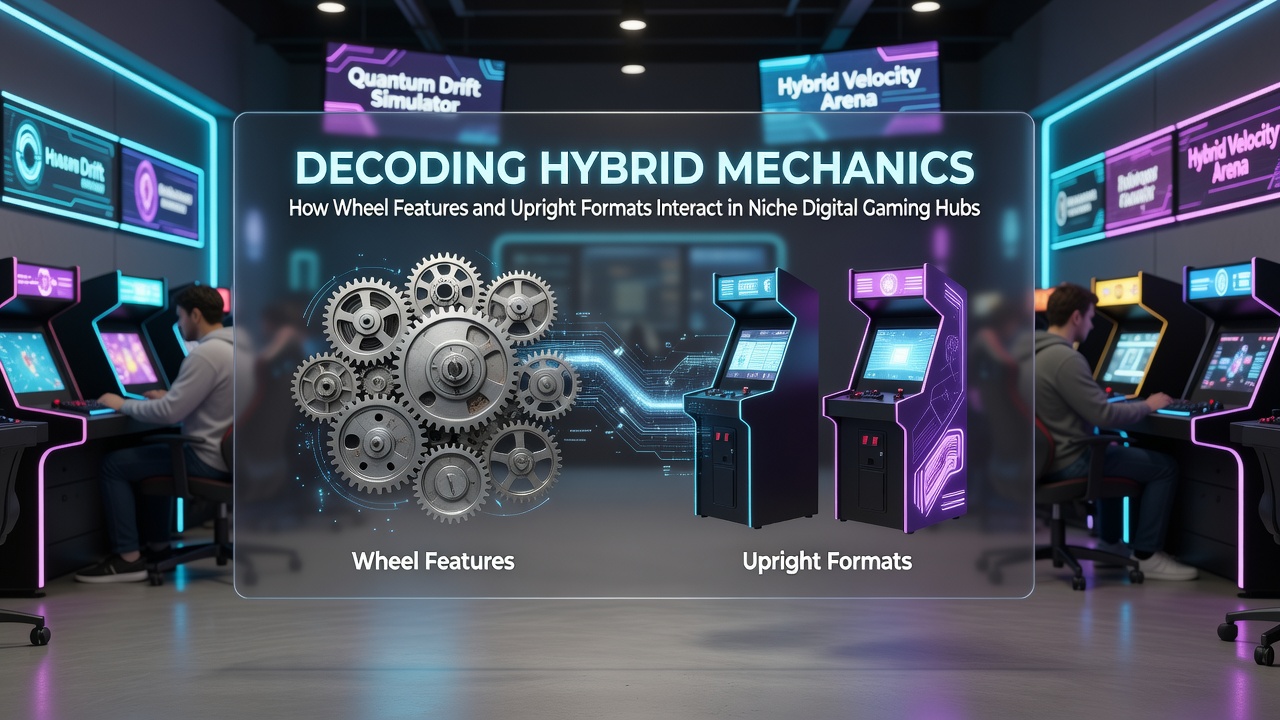
Decoding Hybrid Mechanics: How Wheel Features and Upright Formats Interact in Niche Digital Gaming Hubs
In niche digital gaming hubs, wheel features integrate with upright formats through layered random number generators that trigger side outcomes during standard card progressions, and developers design these systems so wheel spins activate multipliers or bonus rounds without interrupting the core dealing sequence of variants such as pontoon or match play 21.
Platform architecture supports this fusion by embedding wheel animations within the upright display grid, where card positions remain fixed on the vertical plane while the wheel rotates in a separate overlay layer, and data from the Nevada Gaming Control Board shows that such integrations increased in licensed online environments between 2024 and 2026.
Technical Foundations of Wheel Integration
Engineers align wheel probability tables with upright format payout structures so that each spin outcome maps directly to predefined card combinations, and this mapping occurs through shared seed values that ensure consistent results across both components during a single game round. Observers note that upright formats maintain their traditional dealing order while the wheel feature operates on an independent cycle that can interrupt or enhance the hand resolution phase, and programmers use modular code libraries to swap wheel mechanics into existing blackjack engines without altering the base ruleset.
Research from the University of Nevada, Reno indicates that synchronization protocols reduce latency between wheel activation and card display updates to under 200 milliseconds in optimized hubs, and this timing allows players to experience both elements as a continuous sequence rather than separate events.
Interaction Patterns in Niche Platforms
Niche hubs often position wheel features as secondary decision points that activate after specific upright format thresholds, such as reaching a particular hand total or completing a side bet round, and these thresholds trigger wheel spins that apply modifiers like additional cards or payout adjustments to the active upright hand. Data shows that upright formats in these environments retain their standard deck composition and dealing mechanics even when wheel outcomes alter final results, and the separation preserves regulatory compliance across multiple jurisdictions.
One documented case involves platforms where wheel segments correspond to specific upright variant bonuses, such as enhanced pair payouts in perfect pairs side bets, and the wheel selection occurs through a secondary random generator that runs parallel to the primary card shuffler. As of August 2026, several emerging digital hubs began testing unified interfaces that display both wheel and upright elements within a single viewport to reduce cognitive load during hybrid rounds.

Regulatory and Platform Considerations
Regulatory bodies in multiple regions require clear separation between wheel randomness and upright card randomness to prevent cross-contamination of outcome probabilities, and testing protocols verify that each component maintains independent certification standards before deployment in live environments. Hubs that combine these elements must submit interaction logs that demonstrate how wheel results influence upright payouts without changing the underlying deck penetration or shuffle algorithms.
Platform operators report that hybrid systems demand additional server resources for simultaneous random generation, yet the modular design allows updates to wheel features without requiring full recertification of the upright format core. Figures from the New Jersey Division of Gaming Enforcement reveal a steady rise in approved hybrid titles through mid-2026, with most approvals focusing on transparent display of both mechanics during player sessions.
Future Development Trends
Developers continue to refine how wheel segments interact with upright betting options by introducing conditional triggers that depend on real-time card counts, and these conditional systems adjust wheel probabilities based on the current state of the upright hand without violating independent randomness requirements. Niche hubs experiment with adaptive interfaces that scale wheel visibility according to player activity patterns while keeping upright formats as the primary interaction layer.
Industry reports highlight that successful hybrids maintain consistent return-to-player percentages across both components, and ongoing audits confirm that combined mechanics do not create unintended statistical advantages or disadvantages for participants.
Conclusion
Hybrid mechanics in niche digital gaming hubs rely on precise synchronization between wheel features and upright formats to deliver integrated experiences that preserve the integrity of each component, and continued regulatory oversight ensures these interactions remain transparent and compliant through 2026 and beyond. Platform data and technical documentation demonstrate that modular architectures support ongoing evolution of these systems without compromising established game rules or certification standards.