Distribution shifts in wheel-enhanced twenty-one hybrids surface across standalone cardroom floors hosting blended Match Play and Pontoon formats
Written by Theo Griffin · May 31, 2026
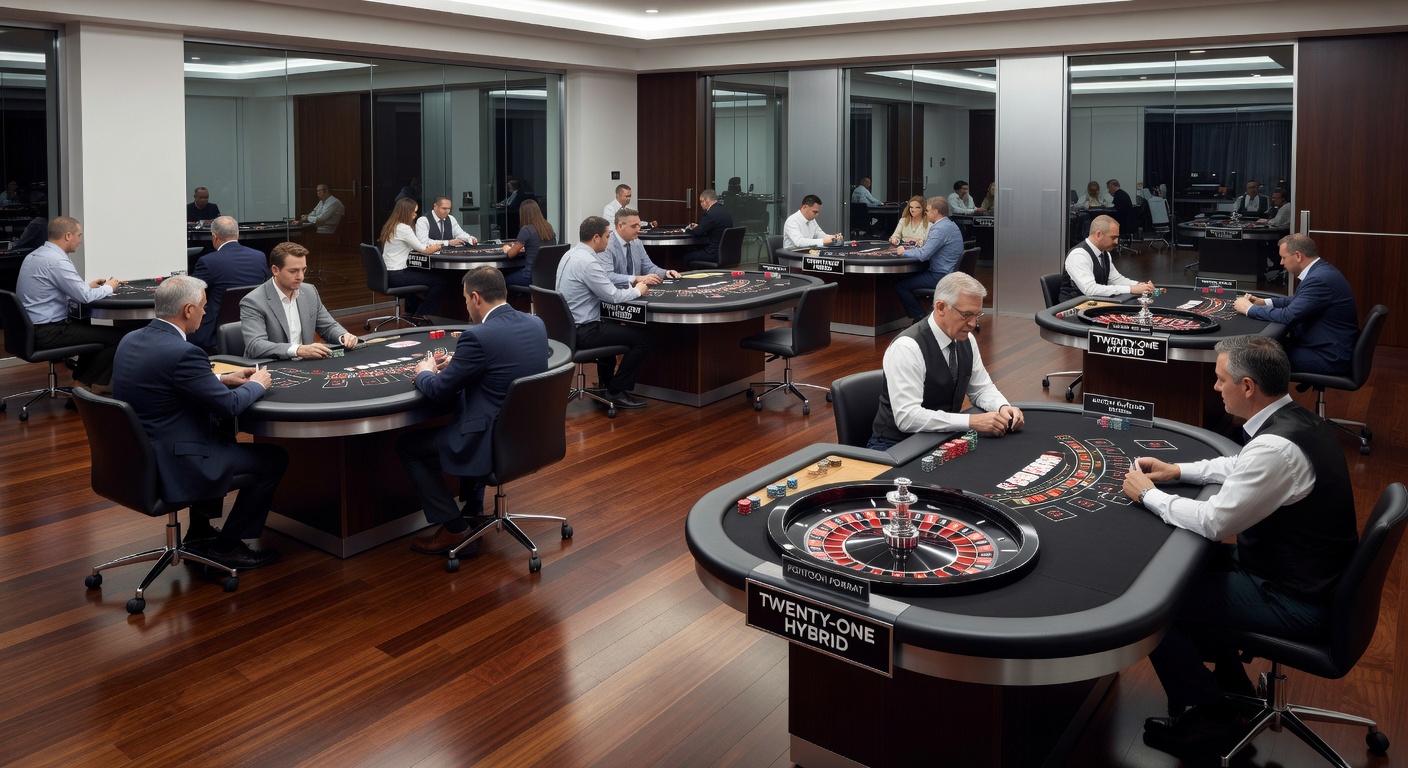
Distribution Shifts Emerge in Wheel-Enhanced Twenty-One Hybrids at Independent Cardroom Venues Offering Match Play and Pontoon Blends
Independent cardrooms across several regions have documented measurable changes in outcome distributions since wheel mechanisms became standard additions to blended twenty-one formats that merge Match Play rules with Pontoon elements. These modifications alter hand-value calculations, bonus trigger frequencies, and overall result patterns in ways that differ from traditional standalone versions of either game. Data collected through routine floor monitoring shows that the integration produces new probability curves rather than simple overlays of existing mechanics. Operators track these changes through detailed session logs that record every resolved hand and wheel outcome. The wheel component typically introduces an additional random element after initial card resolution, which then modifies payout multipliers or triggers side events. In Match Play hybrids the wheel often adjusts the effective value of paired hands, whereas in Pontoon blends it frequently influences decisions around hitting or standing thresholds once the initial two-card total is established. Observers note that these interactions create clusters of results that appear less frequently under conventional rulesets.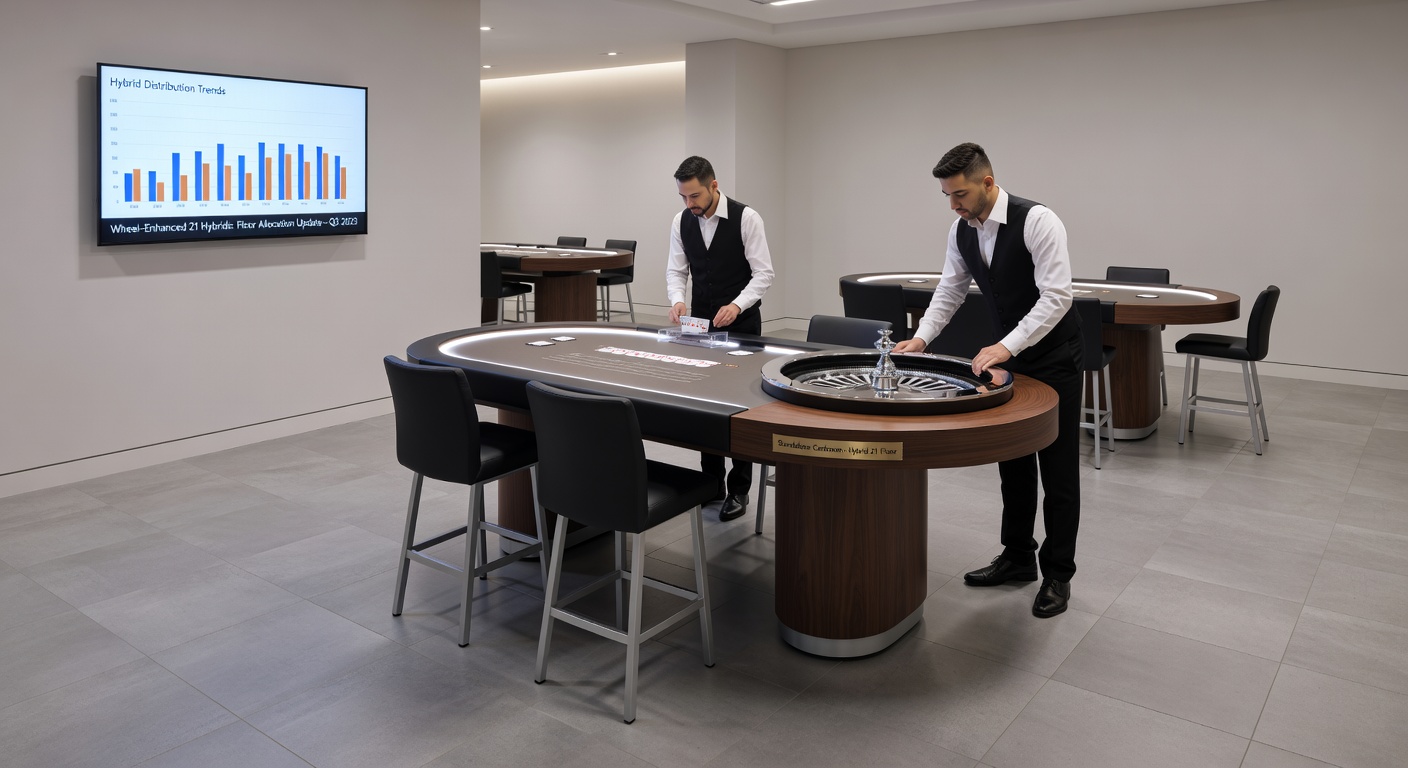
Independent cardrooms across several regions have documented measurable changes in outcome distributions since wheel mechanisms became standard additions to blended twenty-one formats that merge Match Play rules with Pontoon elements. These modifications alter hand-value calculations, bonus trigger frequencies, and overall result patterns in ways that differ from traditional standalone versions of either game. Data collected through routine floor monitoring shows that the integration produces new probability curves rather than simple overlays of existing mechanics. Operators track these changes through detailed session logs that record every resolved hand and wheel outcome. The wheel component typically introduces an additional random element after initial card resolution, which then modifies payout multipliers or triggers side events. In Match Play hybrids the wheel often adjusts the effective value of paired hands, whereas in Pontoon blends it frequently influences decisions around hitting or standing thresholds once the initial two-card total is established. Observers note that these interactions create clusters of results that appear less frequently under conventional rulesets.Mechanics Driving the Observed Shifts
Wheel integration affects deck composition requirements and payout structures simultaneously. Cardrooms adjust shoe depths and reshuffle points to accommodate the extra decision layer, which in turn influences card-removal effects across multiple rounds. Research from the University of Nevada, Las Vegas International Gaming Institute indicates that even modest wheel frequency changes can shift the distribution of final hand totals by several percentage points when Pontoon doubling restrictions combine with Match Play push rules. The wheel itself usually contains segments that either enhance a winning hand or convert a marginal outcome into a different category altogether. When these segments activate after a Pontoon-style hand reaches twenty-one, the result distribution widens because certain wheel stops bypass normal bust probabilities. Match Play participants experience parallel effects when the wheel overrides the standard push condition on equal totals. These adjustments appear consistently in session data gathered from venues that operate both formats on the same floor.Regional Patterns in May 2026
Reports compiled through May 2026 reveal that standalone cardrooms in California and Nevada recorded the most pronounced distribution changes after wheel features were added to existing hybrid tables. Facilities that previously ran separate Match Play and Pontoon pits consolidated them into shared layouts, allowing direct comparison of outcome logs before and after the wheel installations. The consolidated data shows increased frequency of mid-range totals and reduced occurrence of extreme high or low results compared with pre-wheel baselines. California Bureau of Gambling Control filings from the same period document corresponding adjustments in minimum and maximum wager limits at affected tables. These limits were revised to maintain target hold percentages once the new distribution curves stabilized. Venues that retained separate pits for each variant reported smaller shifts, suggesting that the blending itself amplifies the wheel's impact on result patterns.