Evolving Compensation Patterns in Wheel-Integrated Twenty-One Variants at Standalone Cardrooms
Written by Iris Peters · May 26, 2026

Evolving Compensation Patterns in Wheel-Integrated Twenty-One Variants at Standalone Cardrooms
Independent cardrooms across multiple jurisdictions have begun integrating wheel mechanisms into established twenty-one formats, which produces measurable changes in payout distributions. These hybrids combine standard card play with auxiliary wheel spins that trigger modified bonuses or side resolutions, and operators adjust compensation tables accordingly to maintain house viability while meeting local compliance standards. Data from venue reports indicate that payout percentages for wheel-augmented hands often shift by two to four points compared with traditional counterparts, depending on regional tax structures and player volume. Operators in California cardrooms, for instance, have recalibrated bonus triggers on Phoenician Wheel integrations with pontoon and match-play twenty-one to align with existing fee schedules. Similar adjustments appear in Midwest venues where independent facilities report altered return-to-player figures after introducing wheel features to face-up twenty-one variants. Observers note that these modifications frequently occur in response to fluctuating player participation rates rather than regulatory mandates alone.Mechanics Driving Payout Adjustments
Wheel-augmented hybrids operate by layering a segmented wheel outcome onto core blackjack resolutions, which expands the number of payable events per hand. Each wheel segment corresponds to a distinct multiplier or bonus tier, and cardrooms revise base payout schedules to offset the added volatility. Research from gaming analytics firms shows that average hand resolution times increase slightly because players must wait for wheel spins, yet overall table throughput remains stable when staffing levels are maintained. Independent operators track these shifts through internal data logs that compare pre- and post-wheel implementation periods. Figures reveal that certain bonus combinations, once paid at fixed rates, now scale according to wheel results, which redistributes total payout liability across a wider range of outcomes. This redistribution allows cardrooms to offer higher top-end multipliers without proportionally increasing overall exposure.Regional Variations in Implementation
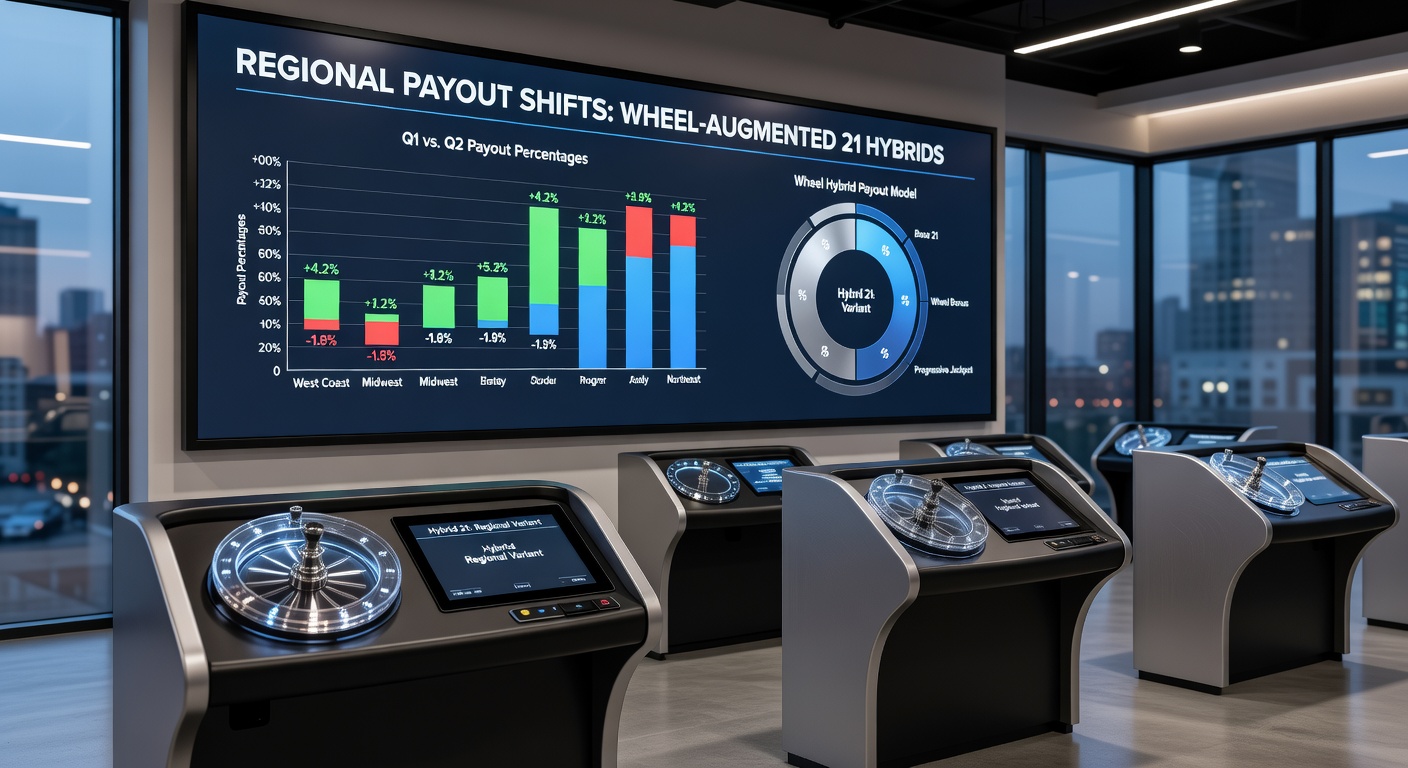
Payout modifications differ by jurisdiction because tax obligations and licensing fees vary. In western states, cardrooms have introduced tiered compensation grids that lower mid-range wheel bonuses while elevating rare high-tier awards to sustain player interest. Eastern and southern facilities, by contrast, maintain flatter payout curves and instead adjust minimum bet thresholds to manage aggregate returns. Data collected through mid-2025 and projected forward into May 2026 indicate that venues in higher-tax environments tend to compress payout ranges on wheel-triggered events more aggressively than those in lower-tax areas. These patterns emerge consistently across independent operators that lack affiliation with larger resort groups and therefore calibrate rules more directly to local market conditions.