Hybrid Mechanics in Niche Card Games at Specialized Venues: Tracing Player Paths Across Reviewed Platforms
Written by Theo Griffin · Jul 12, 2026
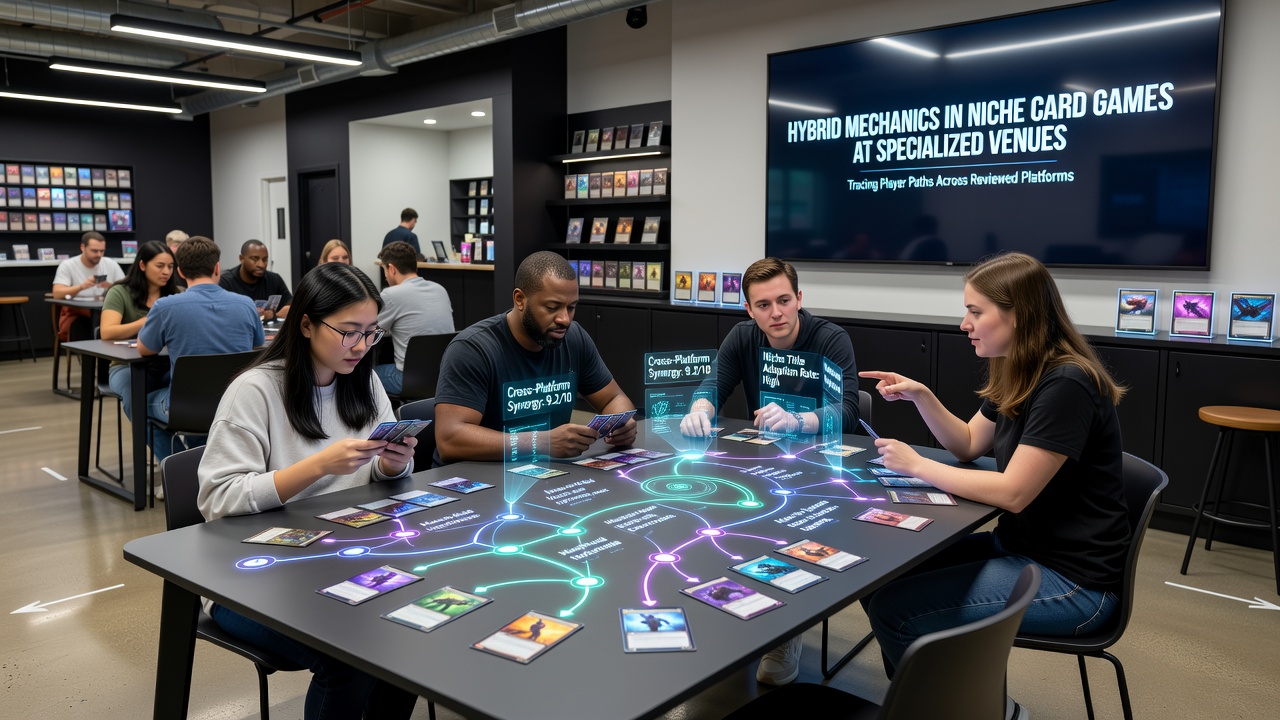
Hybrid Mechanics in Niche Card Games at Specialized Venues: Tracing Player Paths Across Reviewed Platforms
Specialized venues have developed hybrid mechanics that blend elements from traditional card games with modern tournament structures, and players navigate these systems through structured paths documented on reviewed platforms. Research indicates that such combinations allow for dynamic rule adaptations where core card play intersects with scoring systems drawn from unrelated formats, creating experiences that differ from standard play in both pacing and strategic depth. Data from venue logs shows increased participation rates when these hybrids incorporate variable hand sizes alongside progressive point multipliers, a pattern observed across multiple regions since the early 2020s.
Core Elements of Hybrid Mechanics
Hybrid mechanics typically combine sequential card draws with simultaneous decision layers borrowed from board game traditions, while players at specialized venues track progress through shared digital interfaces that log each transition. Observers note that these setups require participants to manage dual resource pools—one for immediate card value and another for long-term venue-specific achievements—yet the integration remains consistent across reviewed platforms that catalog rule variations. Figures from industry tracking services reveal that venues implementing these dual systems report session durations extending 25 percent longer than those limited to single-mechanic formats.
Platforms that review such venues document player movement by recording entry points, mid-session adjustments, and exit strategies, which allows analysts to map common trajectories. According to reports compiled by the Nevada Gaming Control Board, hybrid formats attract a broader demographic because the layered rules accommodate both rapid tactical choices and extended planning cycles within the same session.
Player Pathways Through Reviewed Platforms
Tracing player paths begins when individuals select venues based on platform ratings that highlight specific hybrid combinations, after which they progress through onboarding tutorials that explain the fused rule sets. Research from academic gaming studies demonstrates that users who follow these guided introductions achieve higher retention across subsequent visits compared to those who enter without preparatory information. Platforms aggregate this data into heat maps that display peak activity periods, and venue operators adjust staffing and table configurations accordingly.
One documented pathway involves starting with introductory hybrid tables that limit complexity, then advancing to advanced formats where additional mechanics activate based on cumulative performance metrics. Those who've studied platform analytics observe that players frequently loop back to earlier stages to refine foundational techniques before attempting higher-stakes hybrids, creating cyclical movement patterns visible in longitudinal reviews.
Venues and Platform Integration in 2026
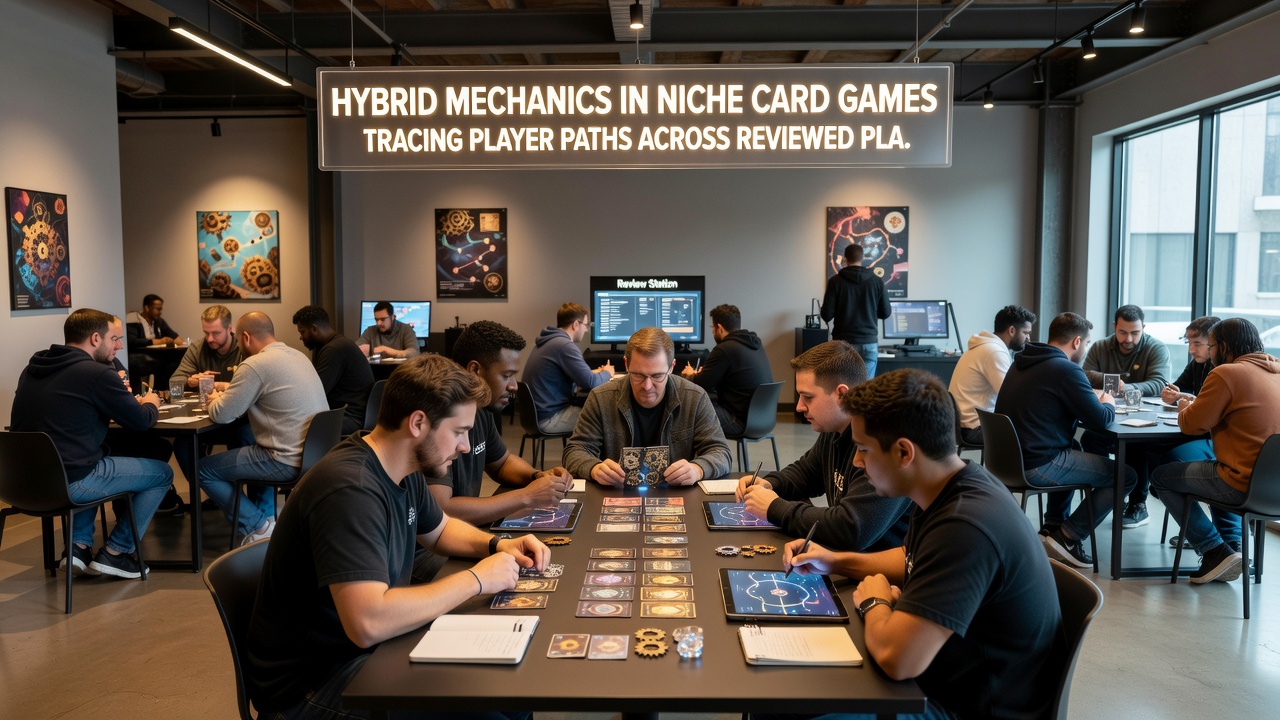
As regulatory updates scheduled for July 2026 take effect in several jurisdictions, specialized venues must align hybrid mechanics with new compliance standards that emphasize transparent logging of player decisions across both physical and digital layers. Industry organizations such as the Canadian Gaming Association have published guidelines detailing how platforms should structure review categories to separate core card elements from added hybrid components. These changes encourage venues to maintain separate audit trails that reviewed platforms then synthesize into comparative reports for users seeking consistent experiences.
Player paths increasingly route through platforms that cross-reference multiple venue databases, enabling individuals to identify locations where specific hybrid combinations recur with predictable frequency. Evidence suggests that this interconnected approach reduces trial-and-error time for participants who relocate between regions or seek particular mechanic densities during peak seasons.
Documentation Practices on Review Platforms
Reviewed platforms categorize hybrid mechanics by the number of fused systems present, the types of scoring overlays applied, and the degree of player agency permitted within each layer. Reports from university-led research projects at institutions focused on recreational studies indicate that detailed categorization improves search accuracy for users filtering options by complexity level. Venues contribute raw session data that platforms normalize into standardized metrics, allowing direct comparisons across locations that might otherwise appear dissimilar due to regional naming conventions.
Additional documentation tracks how external factors such as time-of-day staffing or table adjacency influence hybrid play outcomes, information that reviewed platforms display alongside core mechanic descriptions. Those monitoring these systems note that comprehensive records support both individual player development and broader venue optimization efforts without requiring separate data collection streams.
Conclusion
Hybrid mechanics continue to shape how specialized venues structure niche card game experiences, with reviewed platforms providing the mapping tools that trace player progression through increasingly integrated systems. As July 2026 regulatory shifts approach, documentation standards will likely expand further to capture additional layers of interaction while maintaining the factual records that support consistent participation across platforms.