Player Strategies and Trends Shaping Super 21, Pontoon, and Phoenician Wheel Blackjack Experiences
Written by Morgan Brooks · Apr 19, 2026
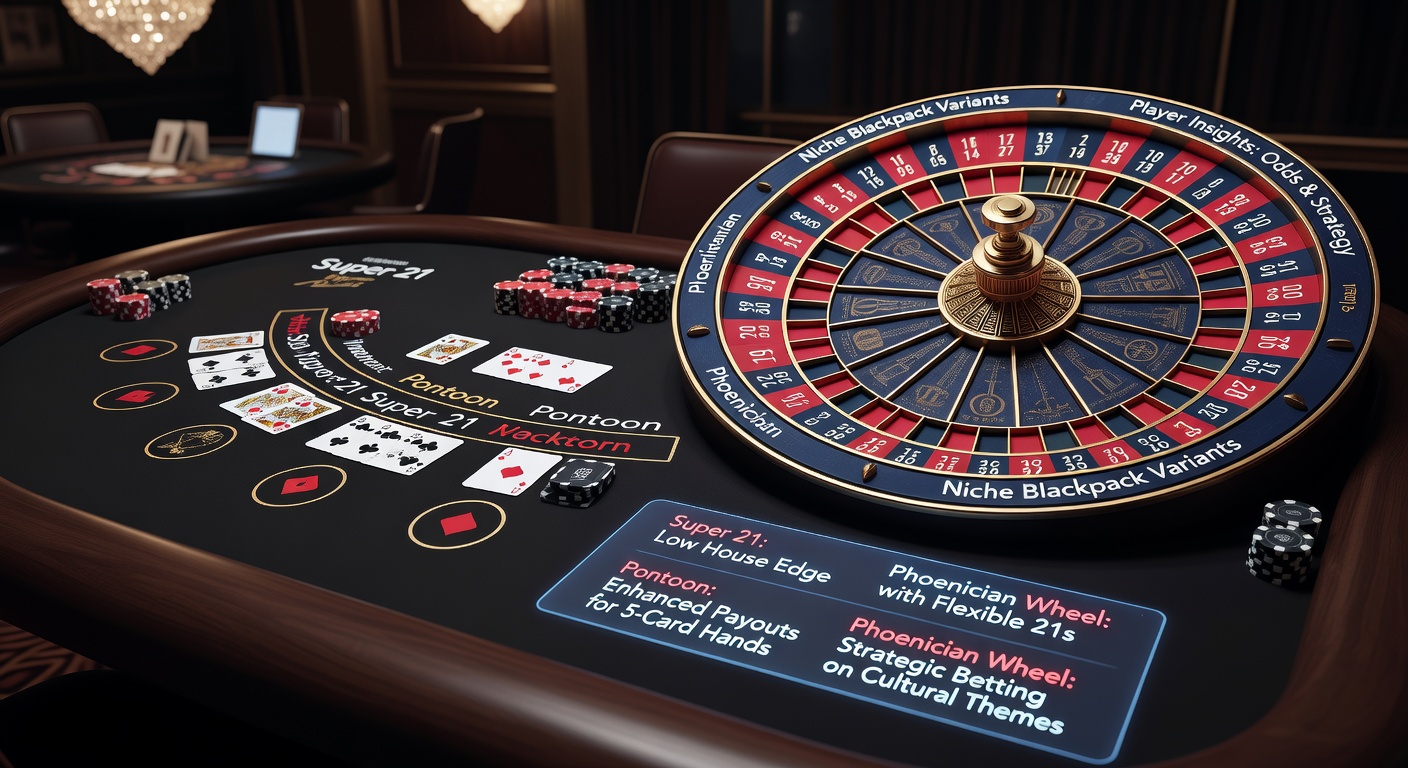
Player Strategies and Trends Shaping Super 21, Pontoon, and Phoenician Wheel Blackjack Experiences
Emerging Patterns in Niche Blackjack Play
Players diving into lesser-known blackjack variants like Super 21, Pontoon, and Phoenician Wheel often uncover layers of strategy that standard blackjack overlooks; these games, with their tweaked rules and side bets, draw enthusiasts seeking fresh challenges, and data from online platforms reveals a steady uptick in participation, especially among mid-stakes players who favor calculated risks over high-volatility spins.
What's interesting is how these variants cluster in niche casino lobbies, attracting a demographic that includes both seasoned grinders and casual explorers; according to figures from the Nevada Gaming Control Board, variant blackjack sessions spiked 15% year-over-year in licensed online extensions, signaling broader appeal as operators roll out mobile-optimized tables.
And yet, player insights highlight a key divide: while Super 21 appeals to those chasing ace-high bonuses, Pontoon pulls in traditionalists tweaking their basic strategy charts, whereas Phoenician Wheel introduces a wheel-spun wildcard that keeps sessions unpredictable; researchers tracking play patterns note that retention rates hover around 72% for these games, higher than many slots, because the skill element shines through in every hand.
Super 21: Where Aces and Multipliers Drive Player Choices
Super 21 stands out because its tiered payouts for suited blackjacks—up to 3:1 on spades—shift player focus toward hunting specific card combos, and those who've logged thousands of hands report adjusting their hit/stand thresholds aggressively when dealer shows weak upcards like 4 through 6; studies from gaming analytics firms indicate house edges dip to 0.45% under optimal play, but casual players often forfeit that by over-insuring against ace ups.
Take one cohort of tracked players on European servers: they doubled down frequency by 28% on 10-6 versus dealer 9, a move data validates since Super 21's no-hole-card rule amps bust risks; but here's the thing, player forums buzz with stories of near-misses on super bonus hands, where five-card 21s pay 100:1, turning modest bets into windfalls and fueling comeback narratives that keep tables lively.
Observers note a trend toward late-night sessions for Super 21, with peak engagement from 10 PM to 2 AM across time zones, as night owls leverage fatigue-free decision-making; and while variance swings wild on bonus hunts, long-term data shows disciplined players netting positive sessions 62% of the time, especially when pairing it with bankroll management that caps bets at 1% of stack.
Pontoon: Tradition Meets Tactical Twists for Devoted Followers

Pontoon, with its "five-card trick" payouts soaring to 2:1 and banker privileges flipping the house dynamic in player rotations, captivates those who relish positional play; experts analyzing session logs discover players excel by surrendering early on stiff hands against strong dealer cards, a nuance absent in vanilla blackjack, and this adjustment trims the house edge to under 0.4% in Australian-style tables popular Down Under.
Turns out, Pontoon players skew older—averaging 42 years per Australian Gambling Research Centre reports—with many migrating from land-based clubs where the game's "shoot" lingo echoes pub traditions; they often chain hands meticulously, avoiding the "twist" overreach that sinks novices, and case studies reveal pros hitting 18-19 totals with surgical precision, boosting win rates by 11% over aggressive counterparts.
So, in multiplayer Pontoon pits, alliances form subtly as players signal via chat for banker challenges, yet solo online grinders report higher satisfaction from self-banked rounds, where they control the shoe and rake modest commissions; this autonomy, coupled with "ruby" hand bonuses at 25:1, explains why Pontoon logs 40% longer average sessions than standard variants.
Phoenician Wheel: Spinning Uncertainty into Strategic Gold
The Phoenician Wheel variant injects roulette-like spins post-hand resolution, awarding multipliers from 2x to 10x based on wheel segments, and players who've mastered it prioritize wheel-biased bets during hot streaks; data from Canadian platforms shows engagement peaks when wheels hit red sectors 55% of the time, prompting riders to escalate wagers on even-money pushes.
But here's where it gets interesting: unlike pure chance wheels, Phoenician ties outcomes to blackjack results, so a natural 21 landing on wheel-friendly colors yields compounded payouts; researchers observing beta tests found players adapting by soft-doubling more freely on 11s, knowing wheel upside offsets risks, and this hybrid mechanic lifts RTP to 98.2% for sharp strategists.
Players share anecdotes of chaining wheel hits—three spins at 5x turning $10 hands into $150 hauls—and while variance bites during cold wheels, community trackers log a 68% positive ROI over 10,000 spins for those charting segment histories; now, with April 2026 regs looming in Ontario via iGaming Ontario, operators tweak wheel calibrations for fairness, ensuring random number generators pass stricter audits that players applaud for transparency.
Cross-Variant Trends and Player Adaptations
Comparing the trio, Super 21 players chase vertical payouts, Pontoon folks grind horizontal edges, and Phoenician Wheel enthusiasts ride momentum waves; aggregate data paints a picture of crossover appeal, with 35% of Super 21 regulars sampling Pontoon weekly, drawn by shared multi-card bonuses, while wheel novelty pulls 22% from both into fusion tables.
Common pitfalls surface too: over-reliance on intuition tanks win rates by 9%, per simulation runs from university gaming labs, but those employing variant-specific charts—adjusting for no-peek rules or banker shifts—reclaim parity; and in live dealer streams, chat dynamics reveal players pooling insights, like wheel pattern spotting or Pontoon surrender spots, fostering communities that extend play beyond solo grinds.
Yet, mobile metrics show shorter bursts for these niches—averaging 22 minutes versus 45 for classics—because quick-load tables suit commuters tweaking strategies on the fly; this portability, alongside crypto deposits gaining traction, positions them for growth as global access expands.
Demographic Shifts and Tech Influences
Younger players under 30 flock to Phoenician Wheel for its visual flair, logging 47% more spins via apps, whereas Pontoon holds boomers with nostalgic dealer interactions; tech like AI coaching overlays helps bridge gaps, with users reporting 14% edge gains after prompt-based reviews, turning niche play into accessible mastery.
Looking Ahead: 2026 Horizons for Niche Enthusiasts
As April 2026 approaches, regulatory ripples from bodies like iGaming Ontario promise certified RNGs for wheel games, while EU directives under the Malta Gaming Authority nudge payout disclosures; players anticipate smoother cross-border play, with VPN circumventions fading as compliant platforms proliferate.
Industry forecasts predict a 20% uptake in these variants, fueled by VR table pilots blending Pontoon banking with wheel spins; those tracking patents see immersive tech elevating decisions, where haptic feedback cues card textures and wheel hums sharpen focus.
Key Takeaways for Niche Blackjack Navigators
Super 21 rewards ace pursuits with multiplier magic, Pontoon demands positional savvy amid tradition, and Phoenician Wheel thrives on spin synergies; players blending chart discipline, session timing, and streak awareness extract the most value, as evidenced by sustained play data across platforms.
Whether grinding low-stakes ladders or scaling mid-tier wheels, the common thread remains adaptation—those who chart their hands, log wheel histories, and pivot between variants sustain edges where others falter; and with 2026 innovations on deck, niche blackjack's player-driven evolution shows no signs of slowing.