Tracing Intersections of Wheel-Enhanced Blackjack Variants and Pontoon Traditions in Specialized Casino Environments
Written by Theo Griffin · Aug 2, 2026
Tracing Intersections of Wheel-Enhanced Blackjack Variants and Pontoon Traditions in Specialized Casino Environments
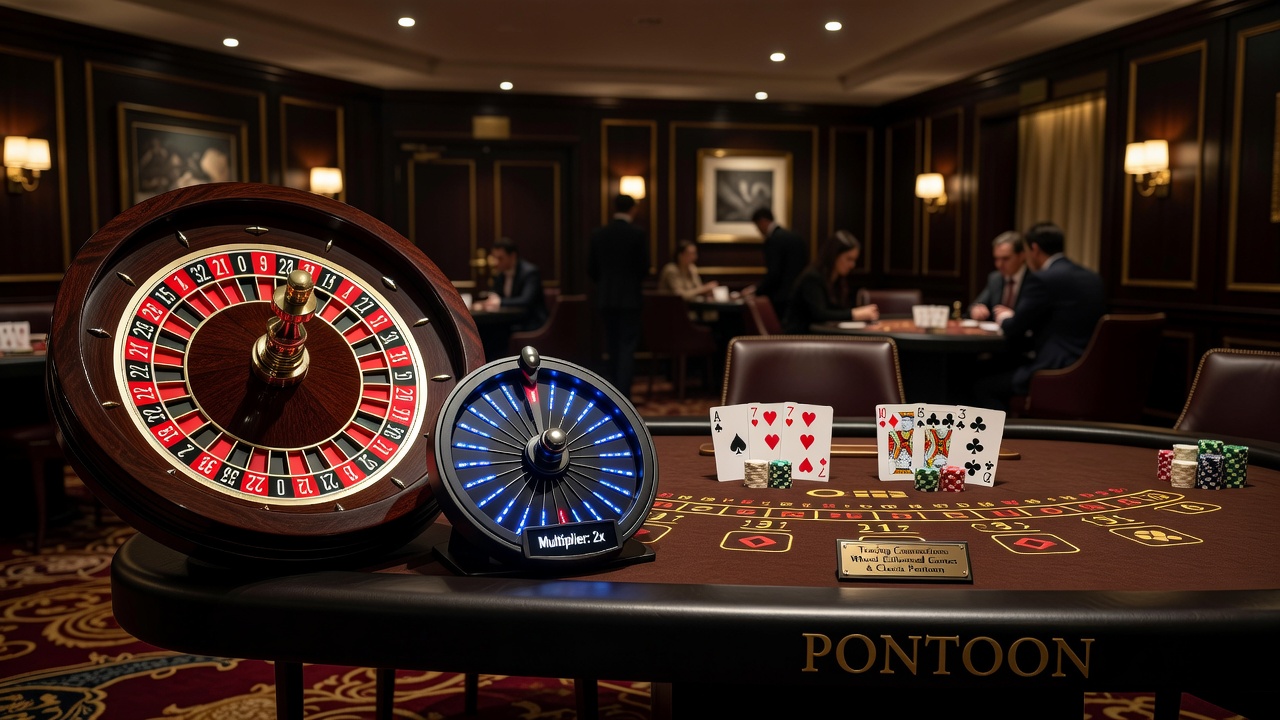
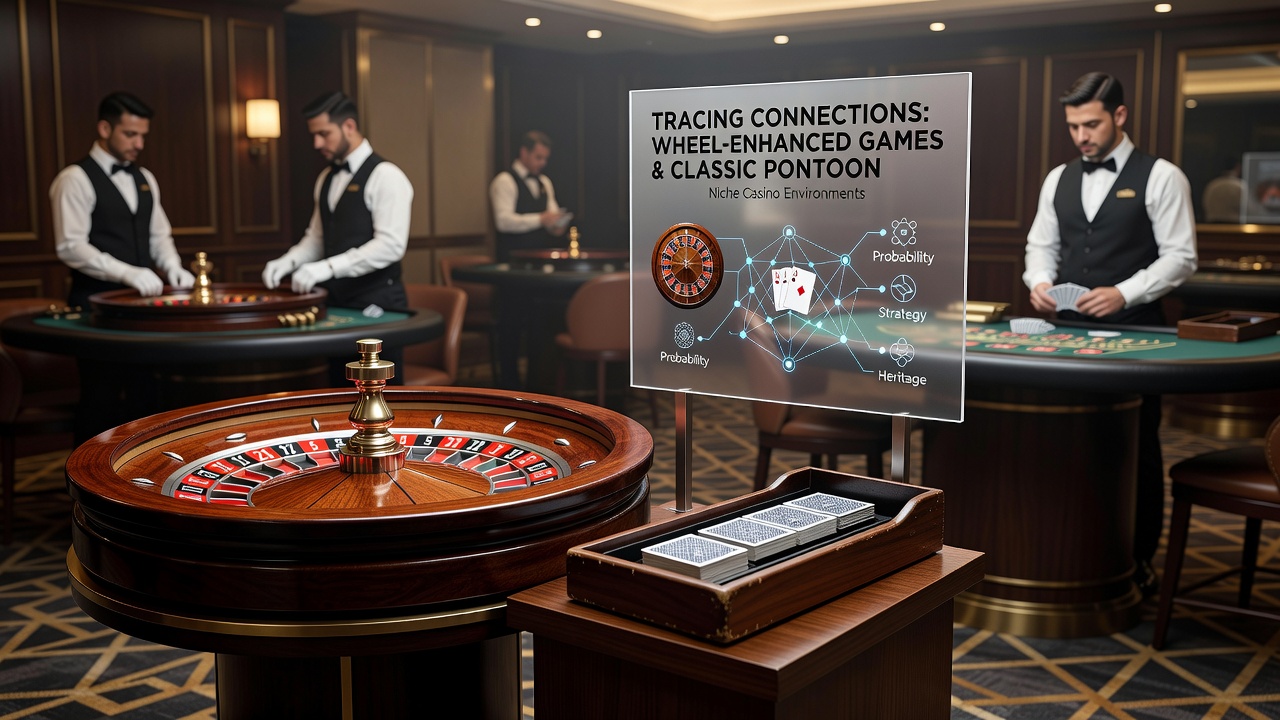
Wheel-enhanced games incorporate spinning elements that determine bonus multipliers or side outcomes while classic pontoon relies on card values and dealer comparisons, and observers note these mechanics intersect in niche casino venues where operators blend features to create hybrid experiences that attract specific player groups. Data from industry reports shows such environments often feature limited table counts and customized rules that allow for experimental combinations not found in larger mainstream operations.
Origins of Wheel Integration in Card Games
Wheel features first appeared in select blackjack variants during the early 2000s as operators sought to add visual and probabilistic layers beyond standard card draws, and researchers documented how these additions drew from older carnival wheel traditions while adapting them to table game formats. In boutique settings across North America and parts of Europe, casinos began testing wheel attachments that triggered on specific hand outcomes, creating payout structures that paralleled the bonus elements already present in pontoon where five-card tricks deliver enhanced rewards. Studies from academic gaming programs indicate these wheel integrations increased session lengths by providing intermittent reinforcement similar to the decision points in pontoon play.
Core Mechanics of Classic Pontoon
Classic pontoon centers on achieving a hand total closest to 21 without exceeding it, with the dealer receiving one card face down and one face up, and players receive opportunities to double or split under defined conditions while five-card hands under 21 automatically beat the dealer. Gaming association records highlight how pontoon spread from British casino circuits to international niche properties, where operators preserved core rules yet introduced localized twists. Figures from regulatory filings reveal that pontoon tables in smaller venues often maintain lower minimum bets compared to standard blackjack, allowing extended exploration of strategy variations that emphasize card counting and insurance decisions.
Shared Design Elements Between Wheels and Pontoon
Both systems rely on layered probability where wheel spins add an extra random factor akin to the unknown dealer hole card in pontoon, and industry analysts observe that successful hybrids in niche casinos pair wheel bonuses with pontoon-specific payouts such as automatic wins on certain combinations. Research papers from university gaming studies demonstrate overlapping house edge calculations when wheel segments correspond to pontoon hand types, resulting in adjusted odds that operators calibrate to maintain player interest without deviating from established return-to-player percentages. One documented case involved a regional property that aligned wheel landing zones with pontoon five-card trick bonuses, producing measurable upticks in table occupancy during evening hours.
Developments in Boutique Venues Through 2026
Specialized casinos have continued refining these hybrids as player preferences shift toward multi-layered decisions, and data released ahead of August 2026 conferences shows increased adoption of digital wheel overlays on physical pontoon tables in select properties. Canadian Gaming Association summaries note that such venues prioritize regulatory compliance while testing integrations that preserve pontoon’s core structure yet introduce wheel-triggered side bets tied to specific card totals. Observers note that these adaptations appear more frequently in properties with fewer than twenty gaming tables, where management can respond quickly to feedback without affecting broader floor operations.
Regulatory and Operational Considerations
Regulatory bodies in multiple jurisdictions require clear disclosure of wheel probabilities alongside pontoon rules, and filings indicate that niche operators submit detailed probability models to ensure transparency during audits. Gaming trade groups emphasize that successful implementations maintain separation between wheel outcomes and base game results to avoid confusion, while still allowing combined payout tables that reference both systems. Reports from the Nevada Gaming Control Board highlight how smaller venues document these hybrids more extensively than larger properties because limited floor space demands efficient use of each table’s earning potential.
Player Interaction Patterns
Participants in these environments often alternate between wheel spins and pontoon decisions within single sessions, and tracking data from venue management systems reveals patterns where players adjust betting strategies based on recent wheel results much like they track dealer upcards in pontoon. External analyses from research institutions confirm that the cognitive load remains manageable when wheel segments directly reference pontoon hand categories, reducing the learning curve for those already familiar with either mechanic. Boutique properties report steady repeat visitation from groups that appreciate the combined decision trees without the complexity of larger multi-game floors.
Conclusion
Wheel-enhanced games and classic pontoon continue to intersect through shared probability structures and bonus frameworks that niche casinos adapt for targeted audiences, with ongoing refinements documented in regulatory and academic sources through mid-2026. These connections manifest in customized table designs and payout alignments that preserve distinct identities while enabling hybrid play, supported by data from diverse gaming oversight entities and research organizations.