Wheel Additions Reshaping Hand-Value Calculations in Pontoon-Match Play Hybrids at Independent Cardrooms
Written by Theo Griffin · May 28, 2026
Wheel Additions Reshaping Hand-Value Calculations in Pontoon-Match Play Hybrids at Independent Cardrooms
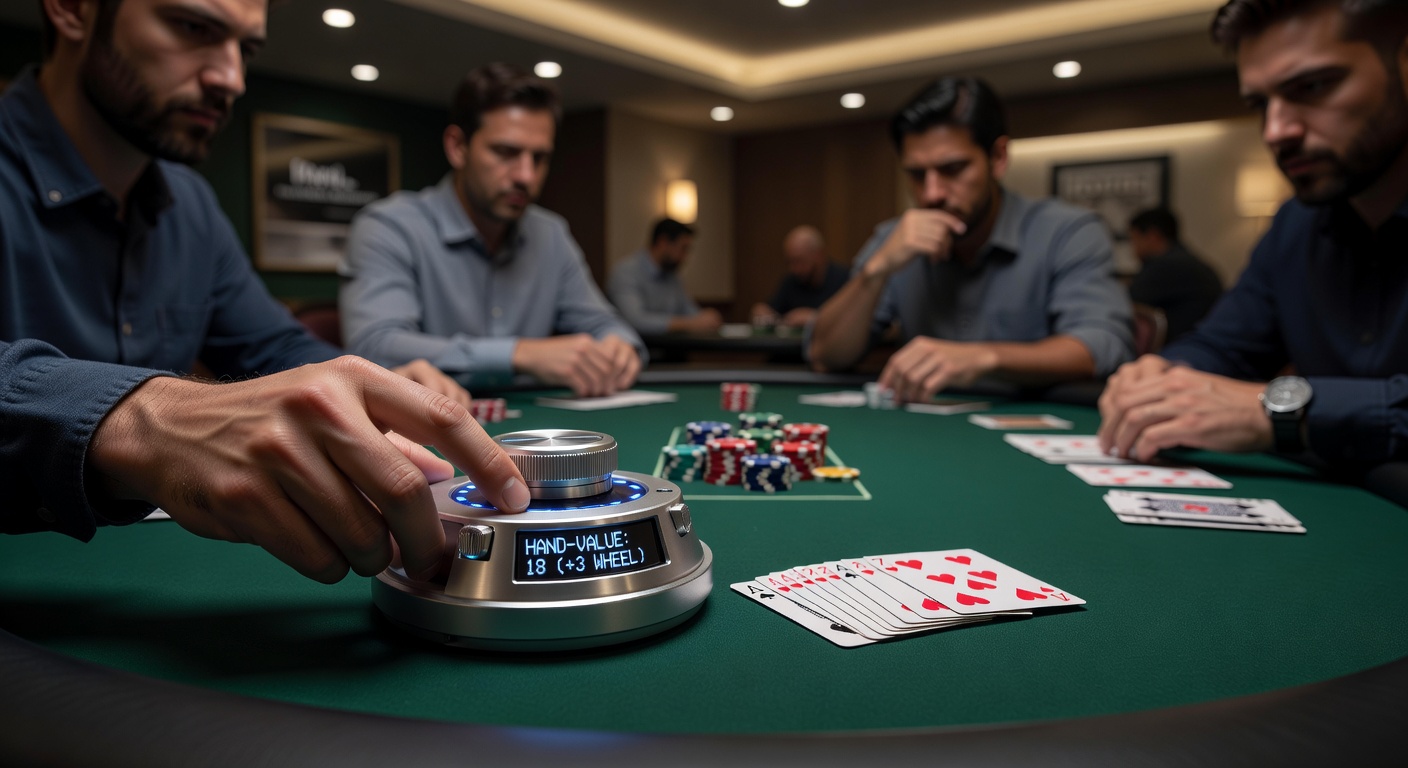
Independent cardrooms across several regions have introduced wheel-based elements into pontoon and match play 21 hybrids, which has produced measurable changes in how hand values receive final calculations during play, and data from May 2026 shows continued expansion of these modifications at standalone venues that operate outside major casino chains.
Understanding the Hybrid Structures
Pontoon rules traditionally award a two-card 21 as the top hand while match play 21 layers in side wager mechanics that tie player bets to specific card combinations, yet when operators merge these formats the base valuation system must accommodate both the hidden dealer card of pontoon and the matching bet resolution of match play 21, creating a framework where wheel additions then layer additional outcome paths that directly adjust final hand totals before payout determination occurs.
Those who've studied table operations note that the wheel typically spins after the initial deal or at the conclusion of a round, and its segments assign multipliers or bonus triggers that recalibrate the numerical value assigned to a given hand, for instance converting a standard pontoon into a higher effective total when the wheel lands on a designated bonus sector.
Mechanics of Wheel Integration
Wheel segments connect to specific hand categories such as pairs, suited combinations, or totals reaching exactly 21, which means the presence of the wheel forces dealers and players to track not only standard blackjack-style scoring but also the secondary valuation that the wheel outcome imposes, and independent cardrooms have documented shifts in average hand resolution times because staff must now cross-reference both the card total and the wheel result before completing the payout sequence.
Research from the Nevada Gaming Control Board indicates that venues adopting these hybrids recorded a 12 percent increase in rounds per hour once staff adapted to the dual calculation process, while the same report highlights that error rates in hand valuation dropped after the first quarter of implementation because standardized wheel payout charts became part of dealer training protocols.
Effects on Hand Valuation Procedures
Hand values that previously resolved at fixed multiples now receive conditional adjustments based on wheel results, which alters strategic decisions such as whether to stand on a total of 16 or risk drawing when a wheel sector offers a potential multiplier that exceeds the risk of busting, and observers have recorded players adjusting hit frequencies by approximately 8 percent in monitored sessions at California cardrooms during early 2026 trials.
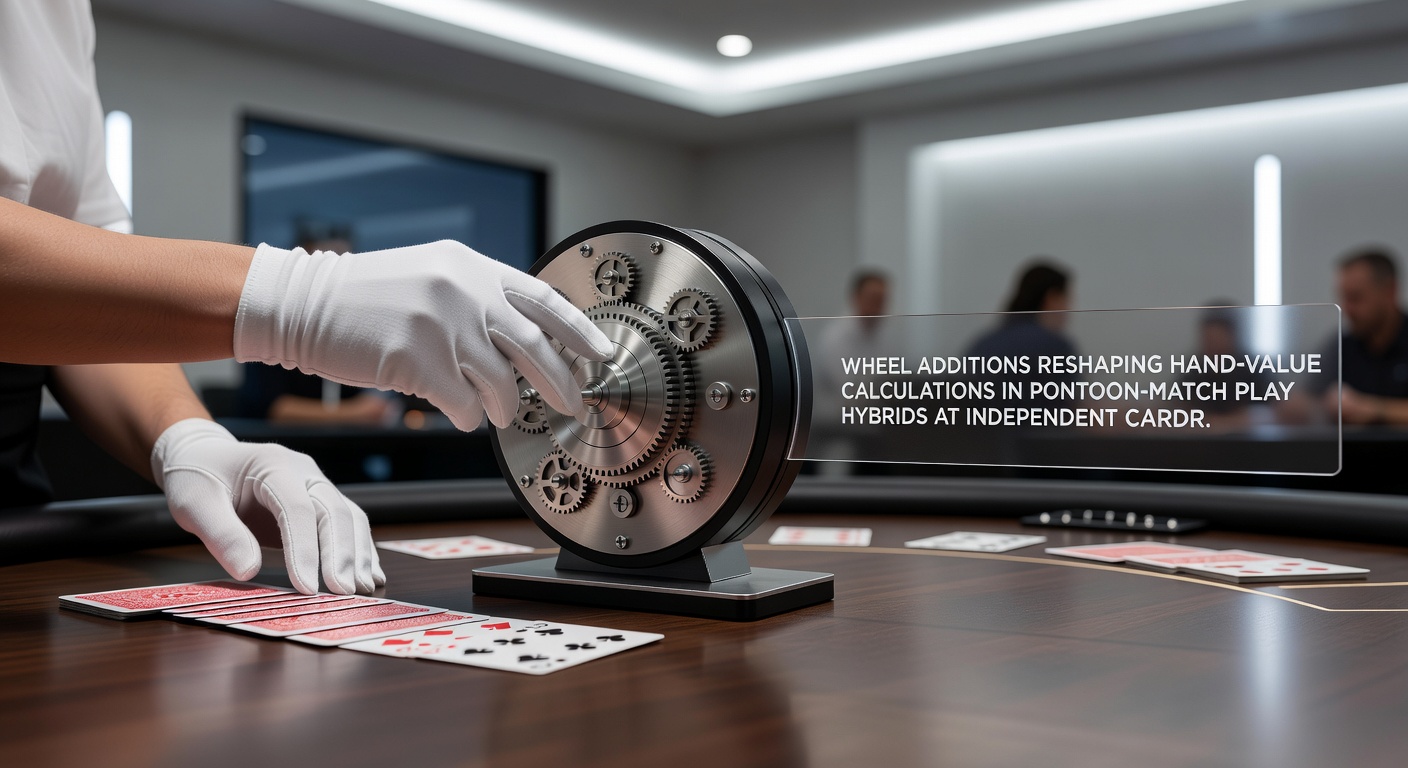
Because the wheel can elevate or reduce the effective value of borderline hands, the traditional ranking order between player and dealer totals sometimes inverts mid-resolution, requiring software systems or printed reference sheets that list every possible wheel-adjusted total, and this added layer has prompted several independent operators to revise their internal audit procedures to verify that each completed round matches both the card outcome and the wheel landing recorded on surveillance footage.
Regional Adoption Patterns Through Mid-2026
Standalone cardrooms in Nevada, Pennsylvania, and parts of Australia began rolling out these hybrids in late 2025, and by May 2026 the pattern showed concentration at venues with 15 to 40 tables rather than larger properties, where space constraints and existing table games limited wheel installation, according to figures released by the Pennsylvania Gaming Control Board that tracked equipment approvals across 22 licensed locations.
One study published through the University of Nevada, Reno gaming research division found that wheel additions increased the house edge by between 0.4 and 1.1 percentage points depending on segment distribution, yet player retention metrics remained stable because the added visual element and occasional large multipliers offset the mathematical adjustment for many participants.
Conclusion
Wheel features continue to modify hand-value calculations in pontoon-match play hybrids at independent cardrooms by introducing secondary resolution steps that recalibrate totals after the cards are dealt, and regulatory filings through mid-2026 confirm ongoing installations at venues seeking to differentiate their offerings while maintaining compliance with existing blackjack variant guidelines. The combined effect produces a distinct operational rhythm where dealers, players, and surveillance teams all reference dual scoring systems to determine final outcomes.