Wheel Features Modifying Result Distributions in Blended Blackjack Formats Offered by Independent Operators
Written by Theo Griffin · May 24, 2026
Wheel Features Modifying Result Distributions in Blended Blackjack Formats Offered by Independent Operators
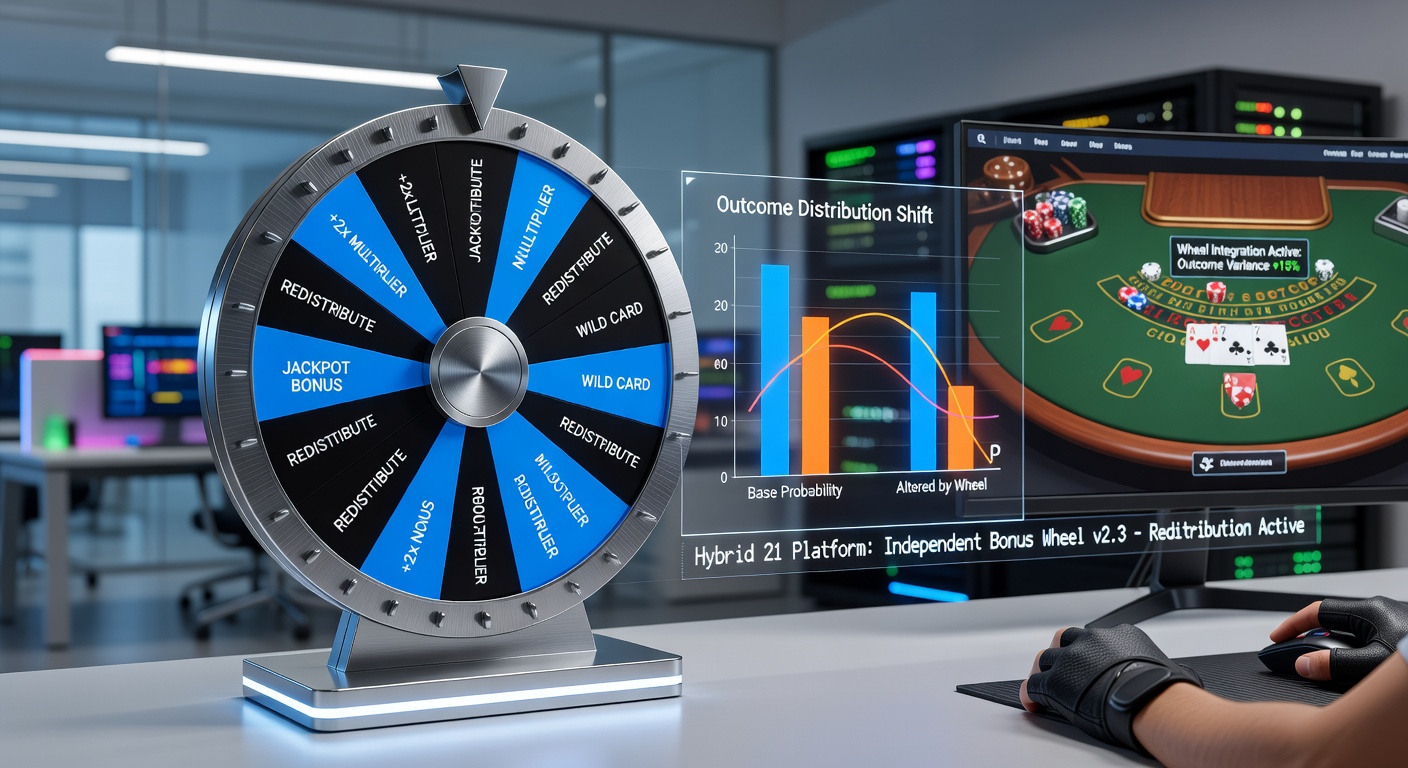
Independent platforms have begun embedding bonus wheels directly into hybrid twenty-one formats, and these additions create measurable shifts in how outcomes distribute across player sessions. Hybrid variants combine core twenty-one rules with elements from pontoon, match play 21, and super 21, while the wheel layer introduces random multipliers or side payouts that alter base probabilities. Data from platform operators indicates that wheel triggers occur at frequencies ranging from 8 percent to 14 percent per hand depending on the specific integration rules.
Mechanics of Wheel Integration in Hybrid Formats
Operators attach the wheel to specific hand outcomes such as perfect pairs, suited matches, or dealer busts, and the wheel then determines additional payouts separate from the main twenty-one resolution. This structure means the primary card game continues under standard or modified rules while the wheel operates as an independent random event. Researchers at the University of Nevada Reno documented that such layered systems increase the overall variance of returns because the wheel segment carries its own probability table that does not correlate directly with card distribution.
Platform developers adjust wheel segment sizes and prize values to maintain house edges within regulatory limits, yet these adjustments also reshape the frequency of certain payout clusters. For instance, a wheel that awards 5x multipliers on 12 percent of spins changes the expected value curve for hands that qualify for the feature. Independent venues often publish these adjusted payout tables so players can review the combined probabilities before participating.
Statistical Shifts Observed in May 2026 Data
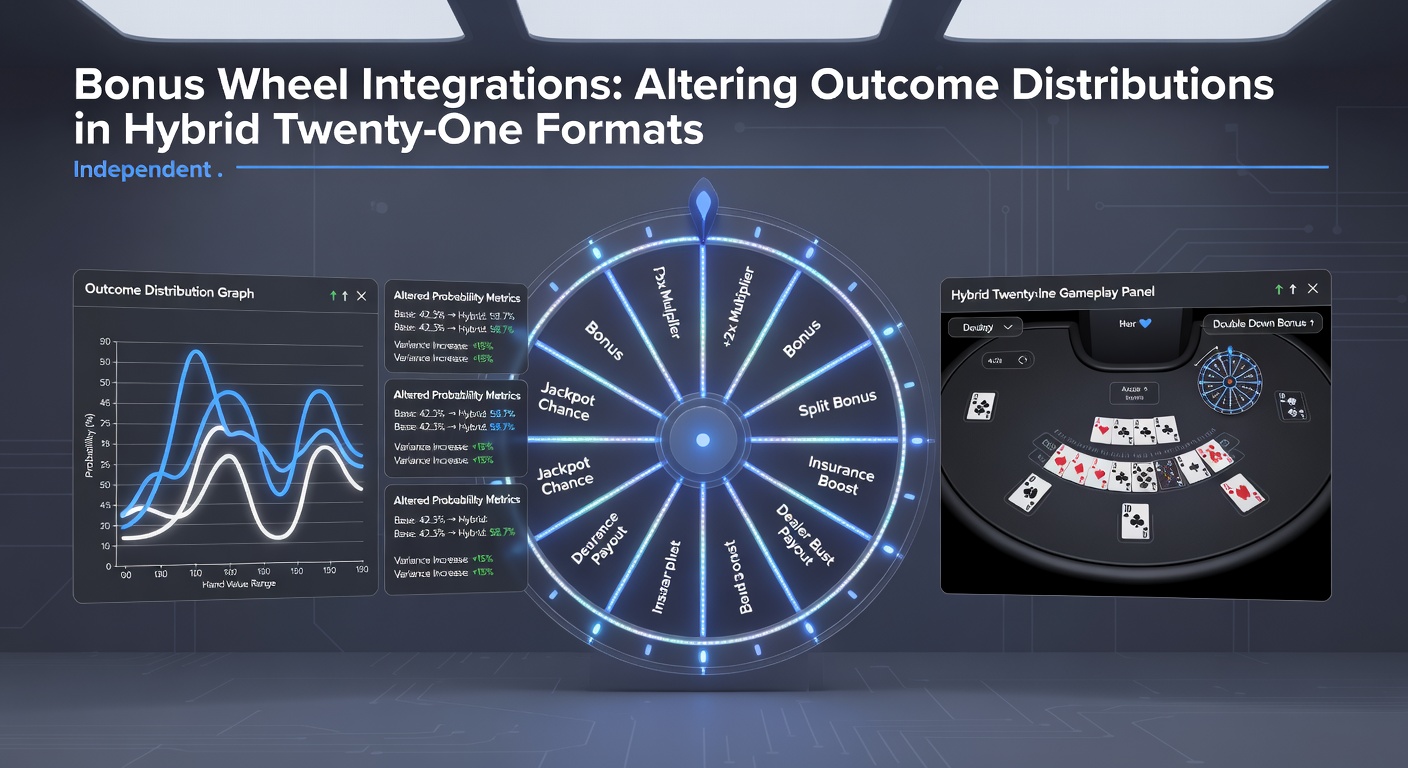
Reports compiled during May 2026 from multiple independent platforms showed that hybrid twenty-one sessions incorporating wheels produced outcome distributions with heavier tails compared to non-wheel versions. Average session lengths increased by roughly 11 percent because wheel events extended play sequences even after losing card hands. Figures released by the Nevada Gaming Control Board confirmed similar patterns in licensed standalone venues, noting that bonus wheel activations contributed an additional 3.2 percent to total handle without proportionally increasing player return percentages.
Analysts tracking these metrics point out that the wheel component decouples some winnings from pure card skill, which in turn modifies bankroll fluctuation patterns. A player who reaches a qualifying hand now faces a secondary distribution governed by wheel physics rather than deck composition alone, and this secondary layer can either amplify or dampen the results from the primary game.
Platform-Specific Adjustments and Regulatory Context
Independent operators in regions outside major licensing jurisdictions apply custom wheel calibration to fit their unique game catalogs. One venue in the Caribbean adjusted wheel segments so that high-value multipliers appear less often while smaller fixed bonuses fill remaining space, producing a smoother overall distribution. Another platform serving Australian players incorporated regional regulatory requirements that cap maximum wheel multipliers at 10x, which in turn narrows the upper tail of possible outcomes.
Those monitoring industry trends note that these calibrations appear in public game rules and RTP disclosures. According to documentation from the Malta Gaming Authority, platforms must publish combined RTP figures that account for both card play and wheel events, allowing direct comparison across different hybrid offerings.
Player Experience Patterns Across Venues
Session data collected from several independent sites reveals that players encounter wheel events at consistent intervals once they learn the qualifying conditions. Hands that trigger the wheel often cluster around specific card combinations such as two suited tens or blackjack with a dealer ace, and these clusters create recognizable rhythm in play. Observers note that the added visual and auditory cues from the wheel increase engagement time even when the mathematical impact remains modest.
Case examples from May 2026 show one platform reporting a 9 percent rise in average bets per hand after introducing the wheel, while another recorded a 7 percent drop in early session exits because the wheel feature retained players through short losing streaks. These patterns emerge consistently across venues that publish anonymized play statistics.
Conclusion
Bonus wheel integrations continue to modify outcome distributions in hybrid twenty-one formats at independent platforms through distinct probability layers that operate alongside core card mechanics. Available data from regulatory bodies and academic tracking demonstrates measurable changes in variance, session length, and payout clustering as operators refine these systems. Players reviewing combined RTP disclosures gain clearer visibility into how wheel events interact with traditional twenty-one results.