Wheel Mechanics and Exposed Card Play Transforming Blackjack in Specialized Venues
Written by Theo Griffin · Jun 28, 2026

Wheel Mechanics and Exposed Card Play Transforming Blackjack in Specialized Venues
Specialized gaming venues continue integrating wheel mechanisms alongside face-up card formats, which alters standard blackjack flow through added bonus rounds and visible card information that shifts decision points for participants. These adaptations appear in boutique environments where operators seek differentiation while maintaining core gameplay structures, and data from industry reports shows gradual adoption across select North American and European locations since the early 2020s.
Core Elements of Wheel Additions in Blackjack Variants
Wheel features introduce random bonus elements triggered after specific hand outcomes, such as certain totals or pair formations, which then determine multipliers, side payouts, or additional cards. Observers note that these wheels typically feature segments ranging from 10 to 20 positions, with probabilities calibrated to preserve house edges between 1 and 3 percent according to internal testing data shared in gaming association summaries. In practice, a player achieving a qualifying hand activates the wheel spin, which resolves independently yet integrates with the main wager to create layered payout structures.
Research from the Canadian Gaming Association indicates wheel integrations maintain overall return-to-player rates near 97 percent when combined with standard blackjack rules, though individual bonus segments vary payout frequency. Those who've studied venue operations find that wheel additions encourage extended session times because participants often remain at tables awaiting trigger events, while operators report steady increases in average bet sizes during promotional periods featuring enhanced wheel segments.
Face-Up Formats and Their Impact on Decision Dynamics
Face-up formats deal all player cards visible from the start, eliminating hidden information that traditionally defines basic strategy adjustments in conventional play. This visibility allows immediate assessment of totals without waiting for additional cards, which changes how participants approach doubling, splitting, and insurance decisions. Figures from venue performance metrics reveal that face-up tables often process hands 15 to 20 percent faster than traditional setups because fewer confirmation steps occur between players and dealers.
Studies conducted by university gaming research programs in Australia highlight that face-up rules reduce certain player errors related to misreading totals, yet they simultaneously limit bluffing elements or psychological reads that some experienced participants value in standard games. Data shows these formats appear most frequently in boutique venues catering to tourists or casual groups, where quicker resolution supports higher table turnover without compromising regulatory compliance standards.
Combined Effects in Niche Casino Settings
When wheel additions pair with face-up formats, the resulting hybrid creates distinct pacing and payout patterns that differ from both traditional blackjack and standalone variants. Participants encounter visible cards that inform initial strategy while wheel spins provide periodic interruptions that reset table energy and introduce variable rewards. Regulatory filings from multiple jurisdictions document that such combinations require separate approval processes because the random wheel element qualifies as a distinct gaming device under equipment standards.
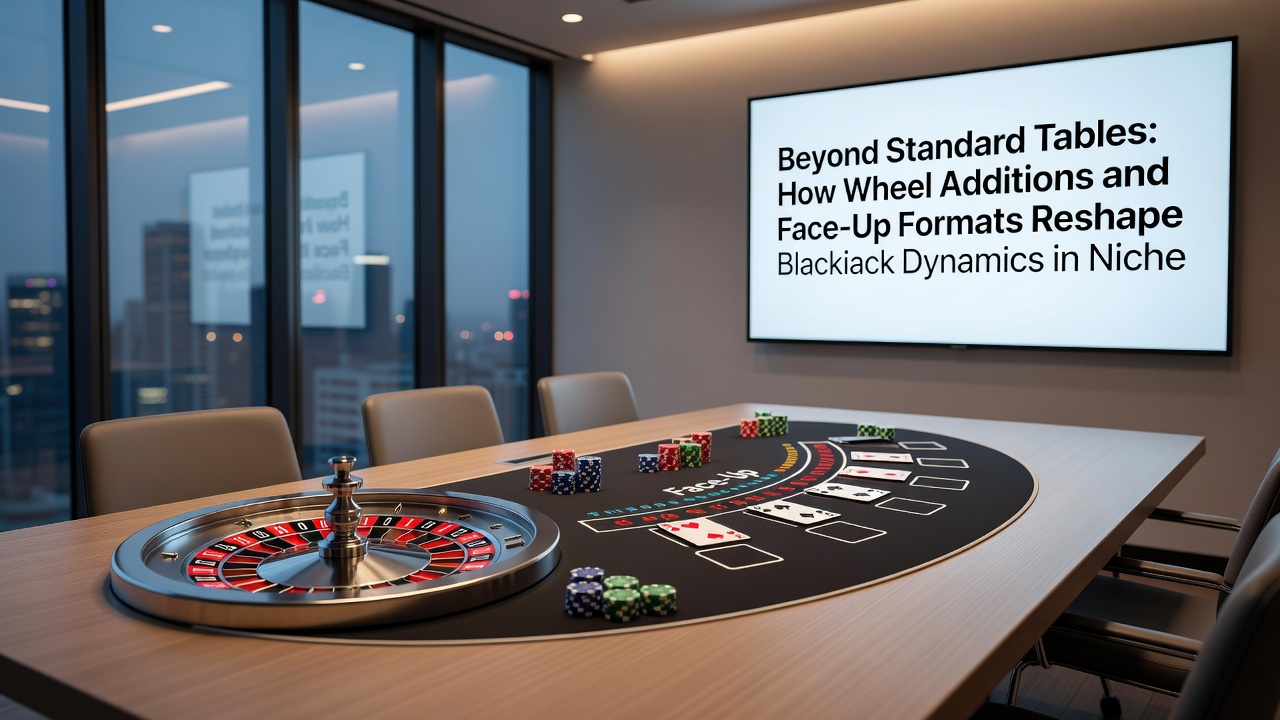
What's interesting is how these elements interact during peak hours in smaller venues, where limited table counts mean each hybrid game serves diverse player types simultaneously. Venue records indicate that hybrid tables experience occupancy rates 10 to 15 percent above pure standard blackjack stations during evening shifts, particularly when operators promote wheel-triggered events through digital displays visible across the gaming floor. Those monitoring player flow patterns observe that face-up visibility helps newer participants engage faster, while wheel features retain interest from repeat visitors seeking occasional larger payouts.
Regulatory Context and June 2026 Developments
As June 2026 approaches, several regional authorities prepare updated equipment certification requirements that directly address integrated wheel and face-up systems. Canadian provincial regulators have circulated draft guidelines requiring independent testing of wheel randomness alongside card visibility protocols, whereas certain Australian state commissions emphasize consumer information standards for explaining combined payout structures. These updates build on existing frameworks without introducing outright restrictions, focusing instead on transparency and audit trails that operators must maintain for hybrid tables.
Industry organizations tracking legislative trends report that venues adopting these formats early often collaborate with testing laboratories to pre-certify components, which shortens approval timelines once new rules activate. Evidence suggests such proactive measures help niche operators position their offerings ahead of broader market shifts expected later in 2026.
Player Behavior Patterns and Venue Adaptations
Behavioral data collected through loyalty program tracking shows participants at hybrid tables adjust wager patterns differently than at standard stations, with increased frequency of side wagers tied to wheel eligibility. Those analyzing transaction logs find that face-up information correlates with higher rates of splitting pairs when totals permit, since immediate visibility removes uncertainty about second cards. Venues respond by adjusting dealer training protocols to handle faster decision cycles and wheel resolution sequences within the same shift structure.
European gaming research centers have documented similar patterns across boutique properties, where combined formats appear in dedicated high-limit sections that cater to smaller groups seeking varied entertainment within single sessions. These adaptations maintain compliance with jurisdictional limits on game speed while introducing mechanical elements that differentiate offerings from larger resort properties.
Conclusion
Wheel additions and face-up formats continue reshaping blackjack presentation in niche environments through layered mechanics and visible information flows that alter traditional pacing. Regulatory preparations ahead of June 2026 emphasize certification and transparency standards that support ongoing implementation across regions. Performance metrics and behavioral observations indicate sustained interest in these hybrids among both operators and participants, with data reflecting measurable differences in table utilization and decision timing compared to conventional setups.